Gas Jeans
Gas Jeans added on model photos to washes that had only ever sold as flat lays and measured 31% more sales in thirty days
- Client
- Gas Jeans
- Services
- On model ecommerce
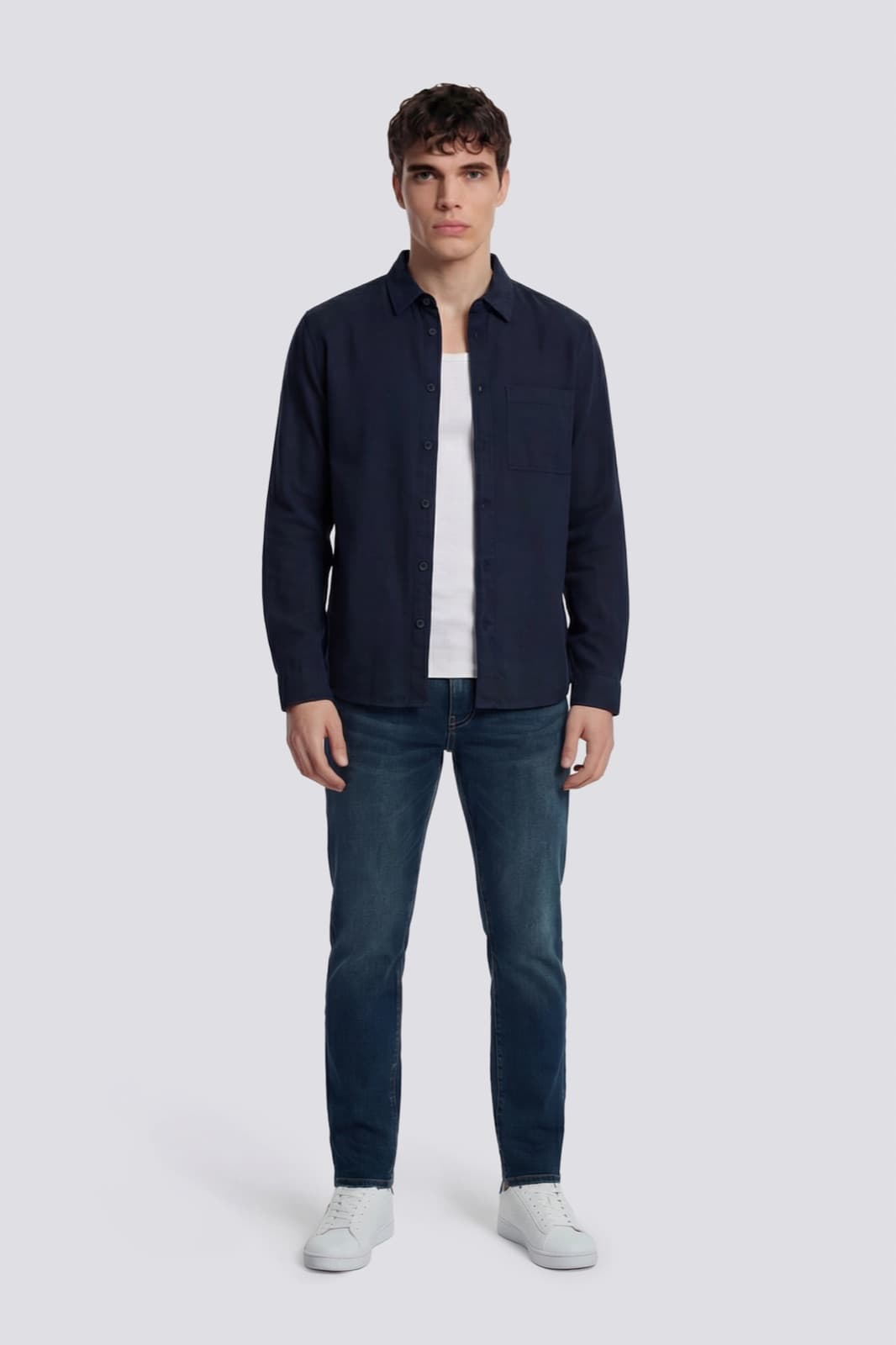
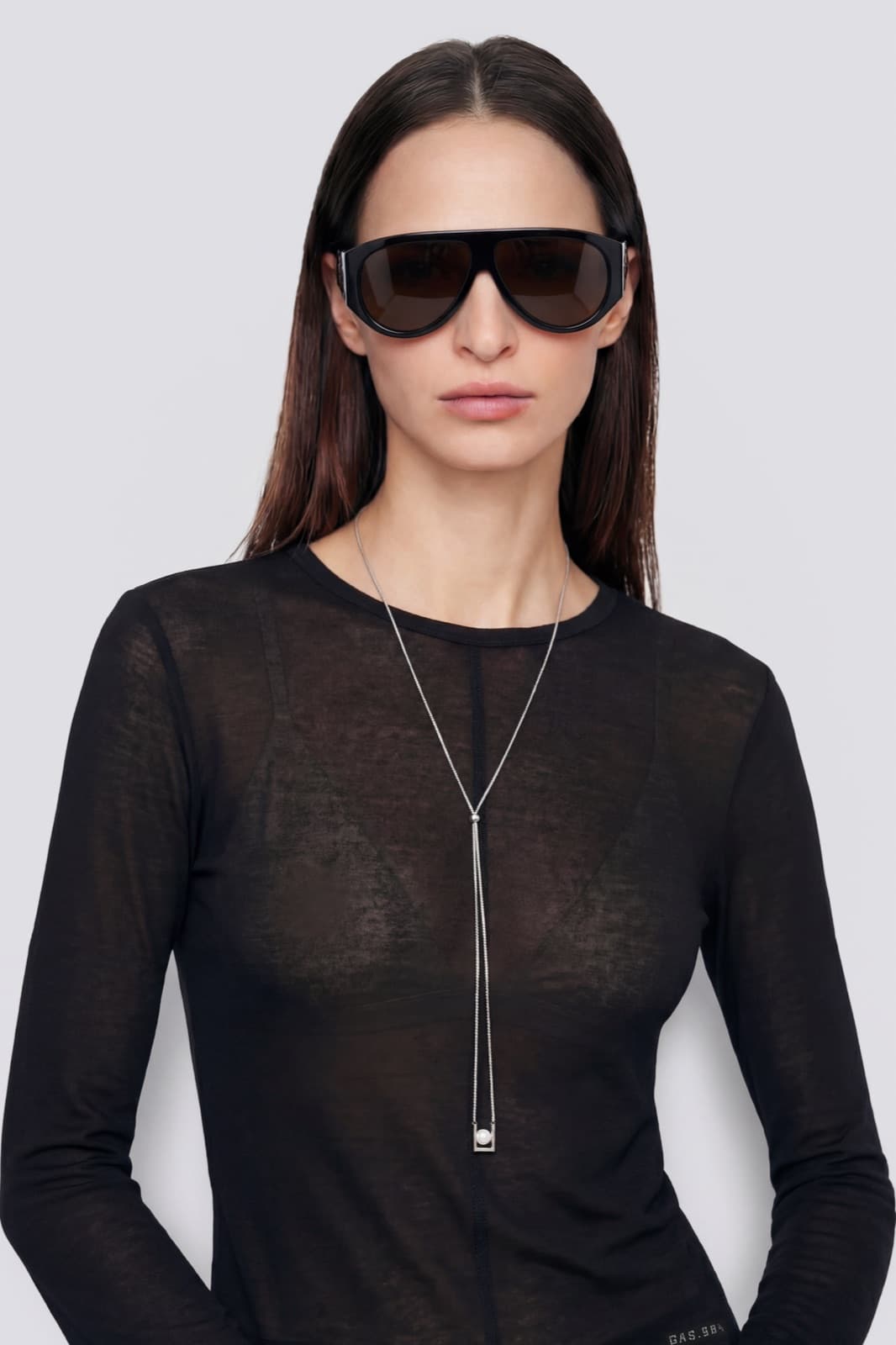
Client: Gas Jeans, Italian denim. On model production for ecommerce.
- Sales on the pages that received on model photography
- +31%Sales on the pages that received on model photography
- Time spent on page
- +17%Time spent on page
- Days of measurement
- 30Days of measurement
- Garments reshot, samples shipped or studio days booked
- 0Garments reshot, samples shipped or studio days booked
The problem
Every denim brand has the same shaped catalogue. The hero washes get the studio day, the photographer, the model and the full treatment. Then there is the long tail: the third and fourth washes of the same cut, the colourways that sell steadily but never quite justify booking a day for them. Those go up as flat lays, and on the product page they read as a specification rather than a garment.
The flat lay is not the problem in itself. The problem is that a customer cannot see how the wash sits on a body, so the page has to work harder than it can. And nobody solves this by shooting more, because the economics of a studio day are precisely why the long tail was left out to begin with.
What we did
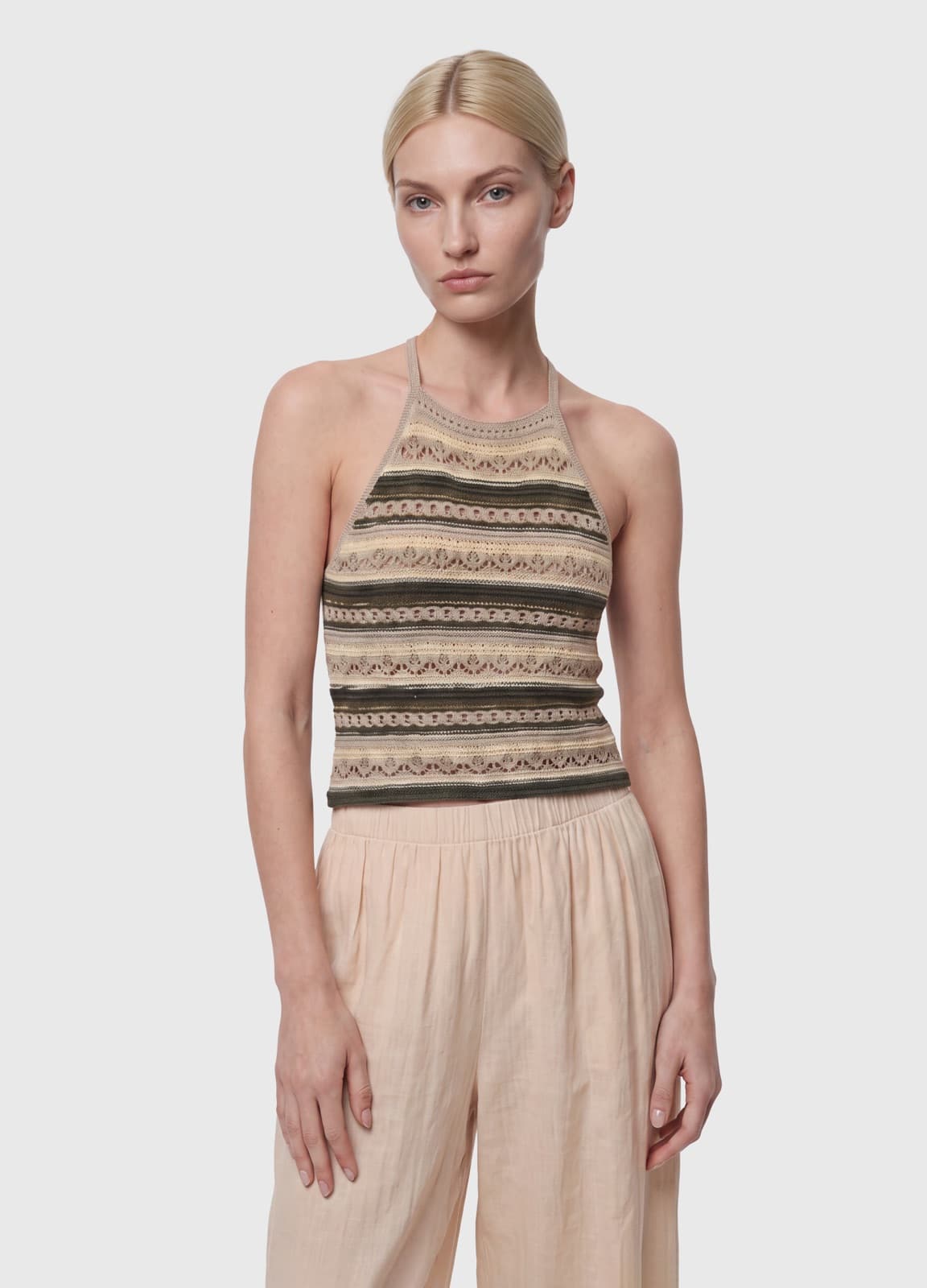
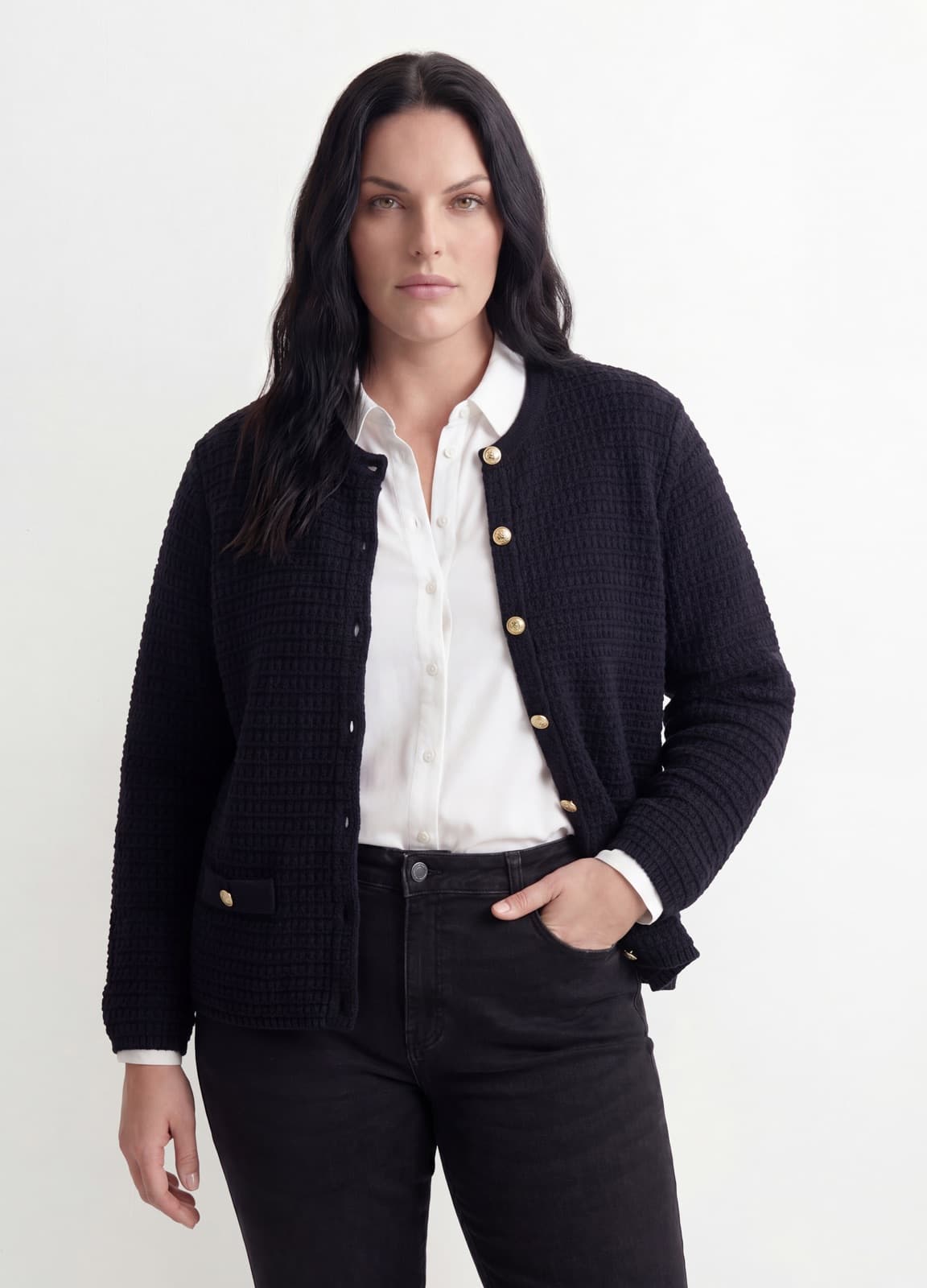
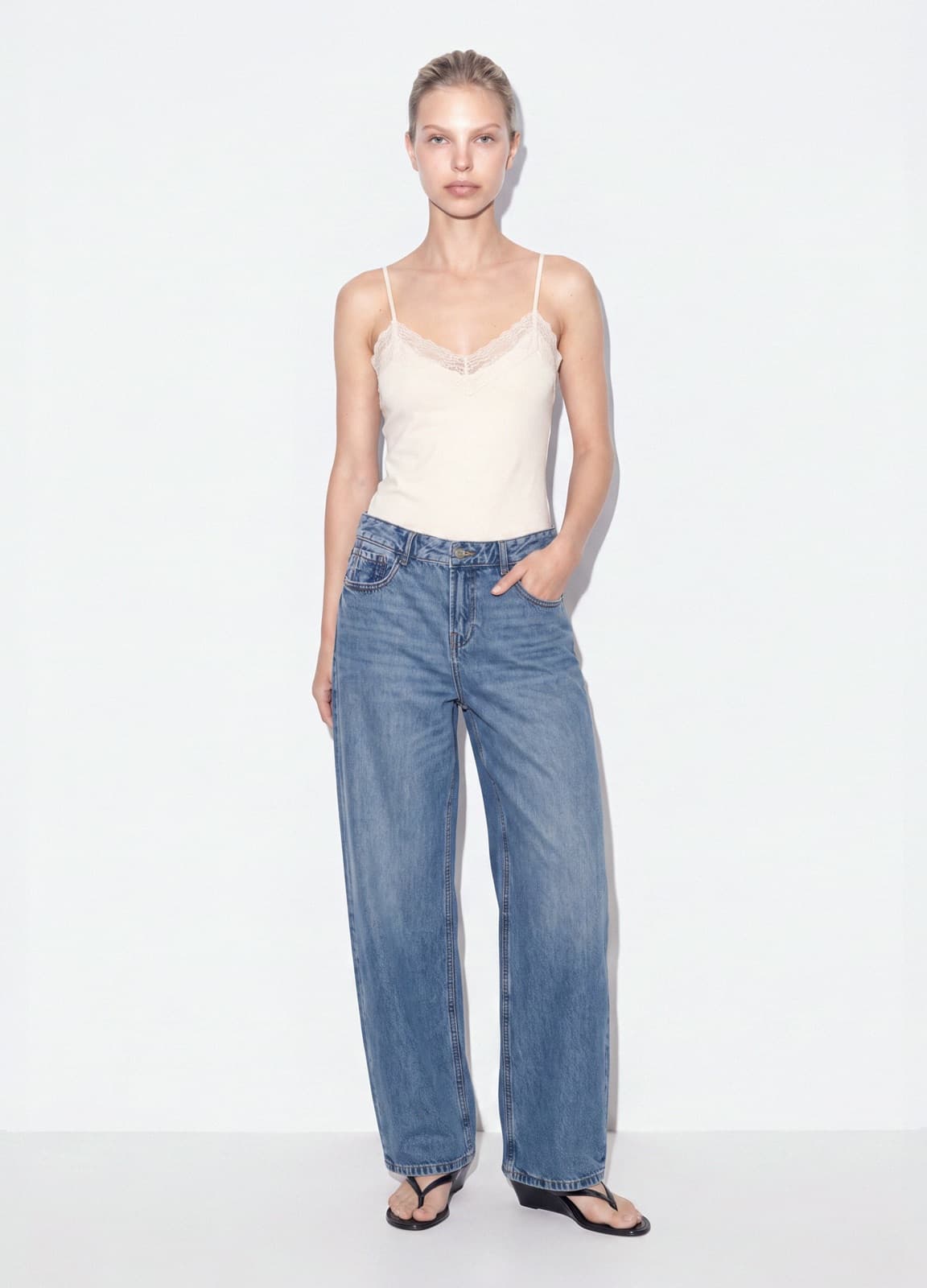
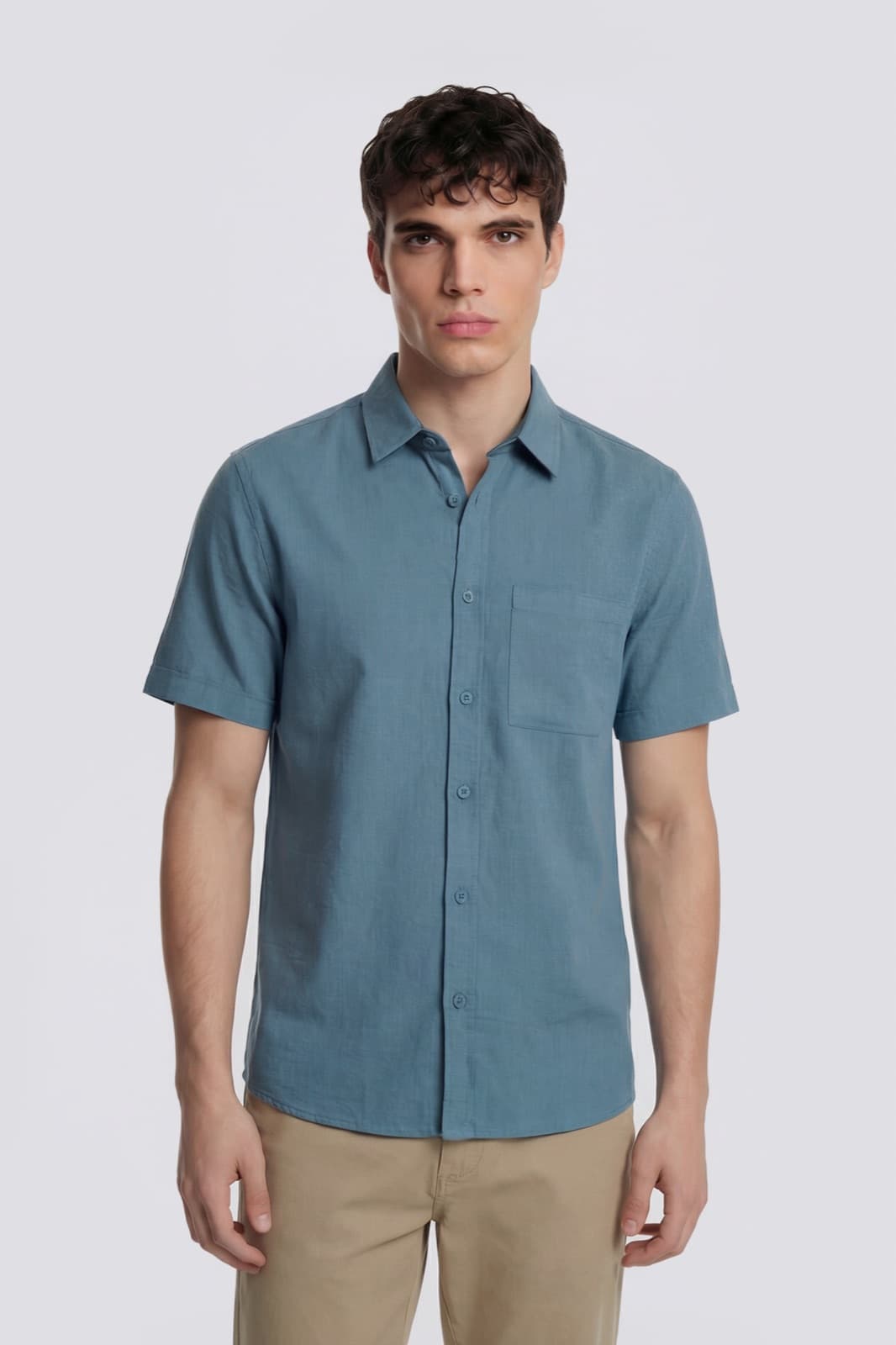
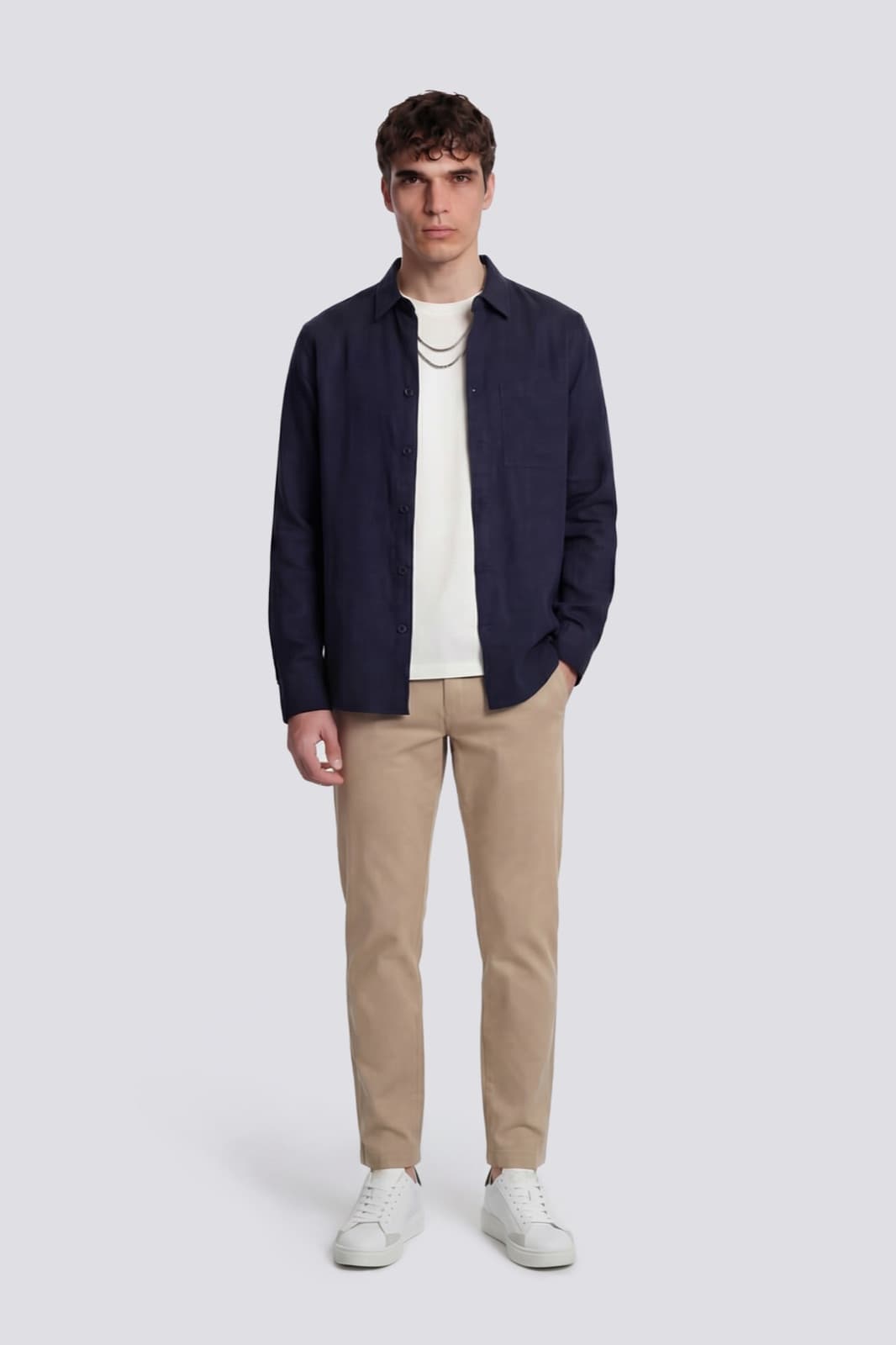
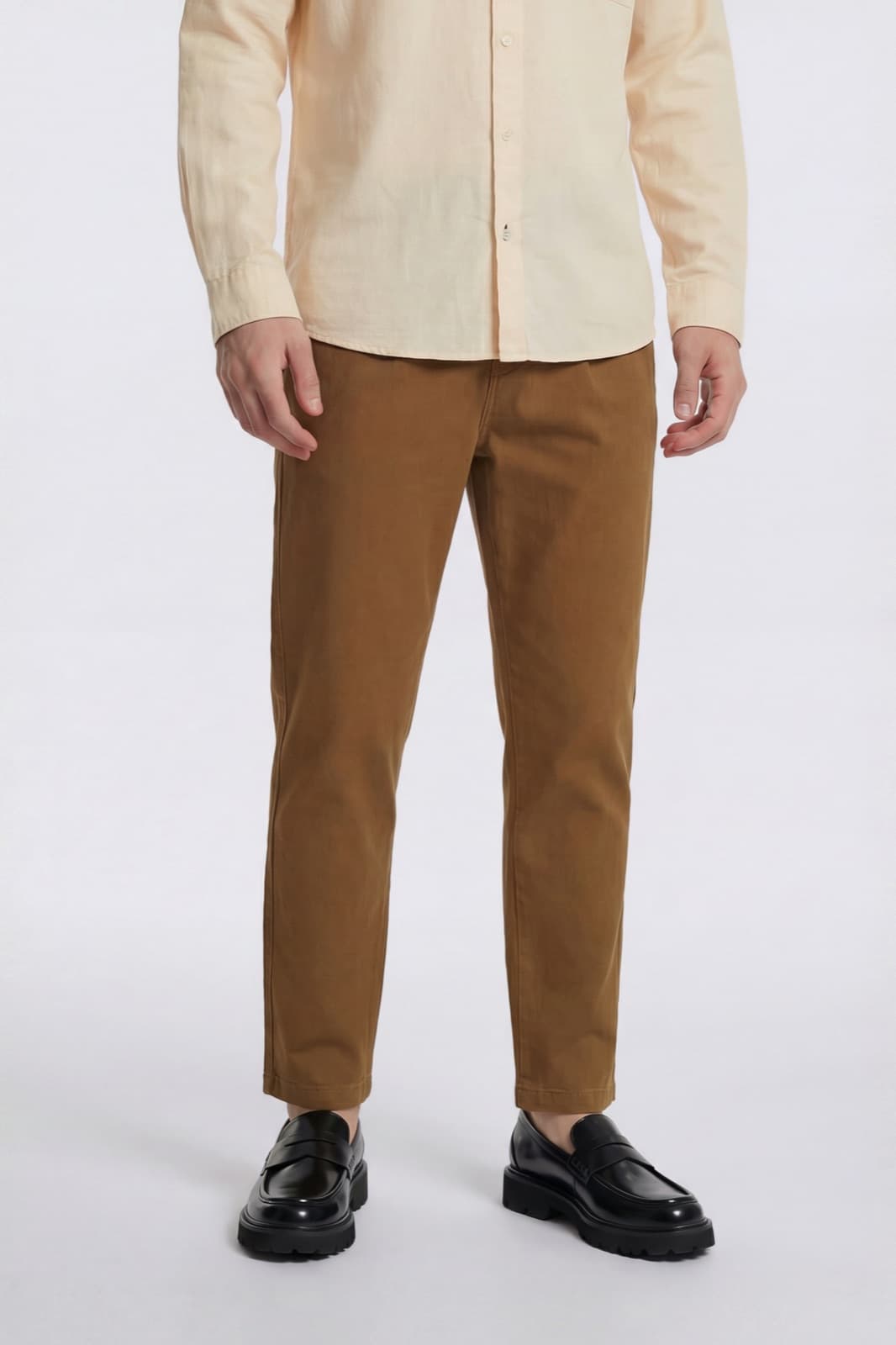
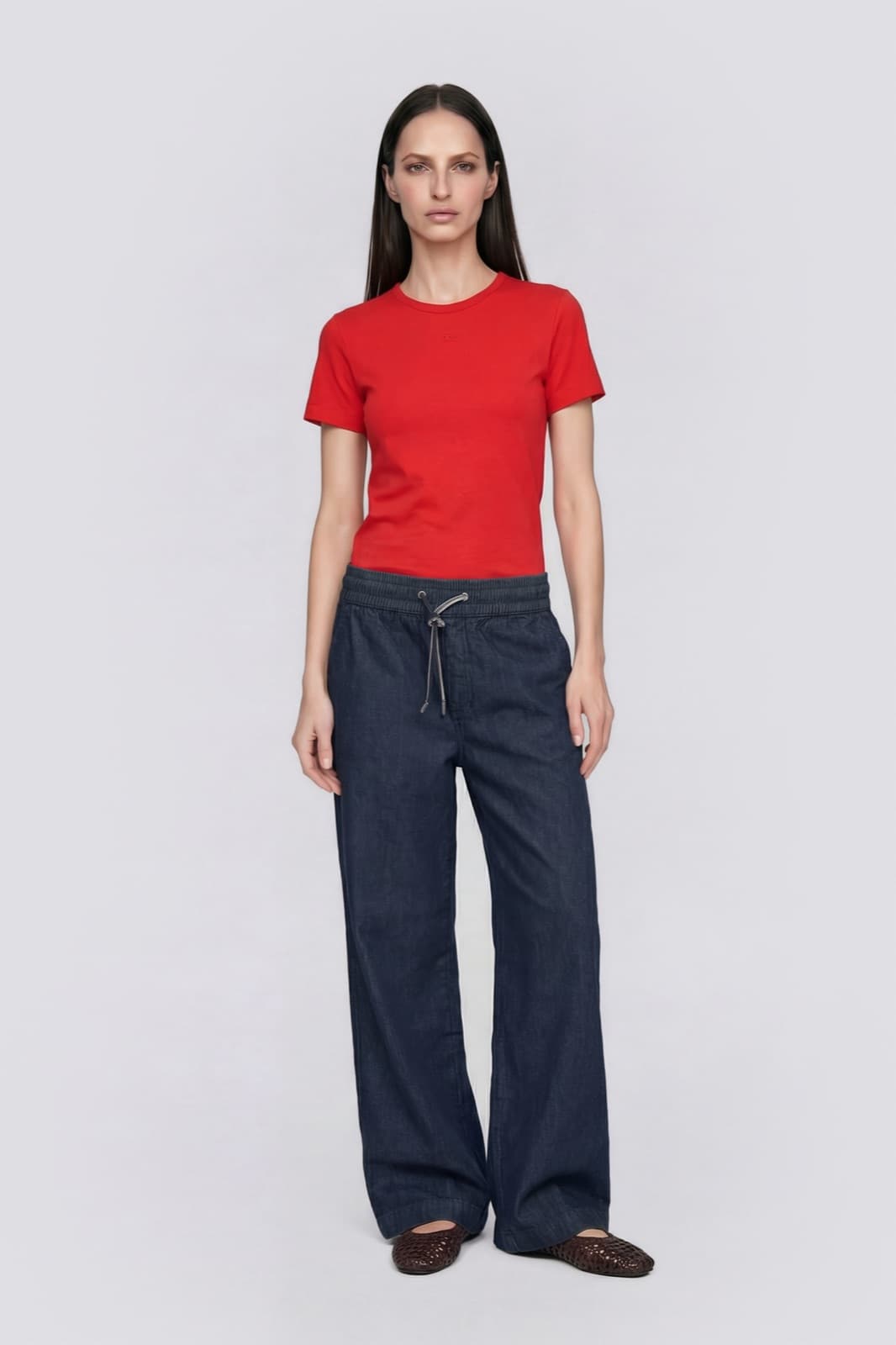
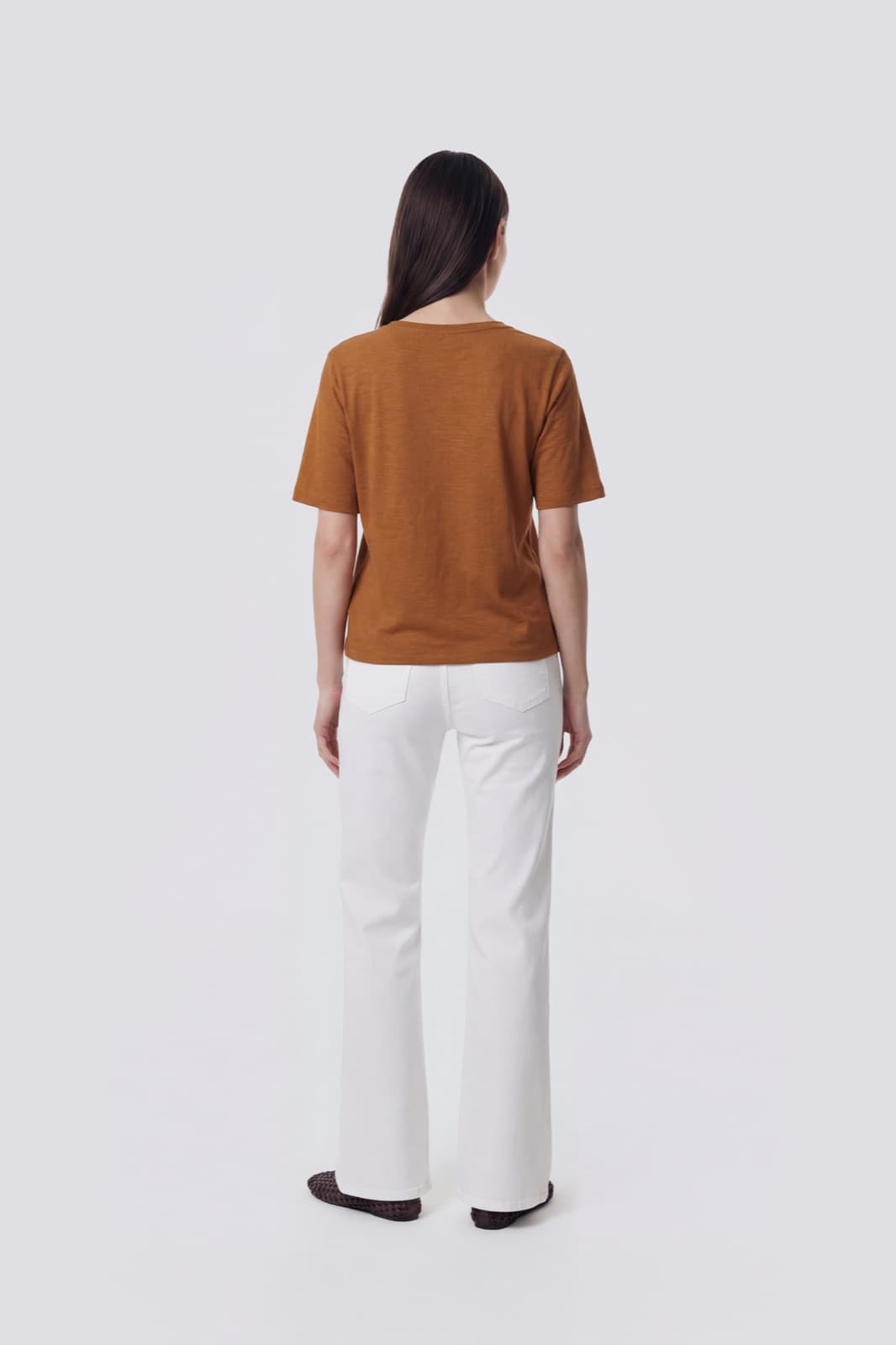
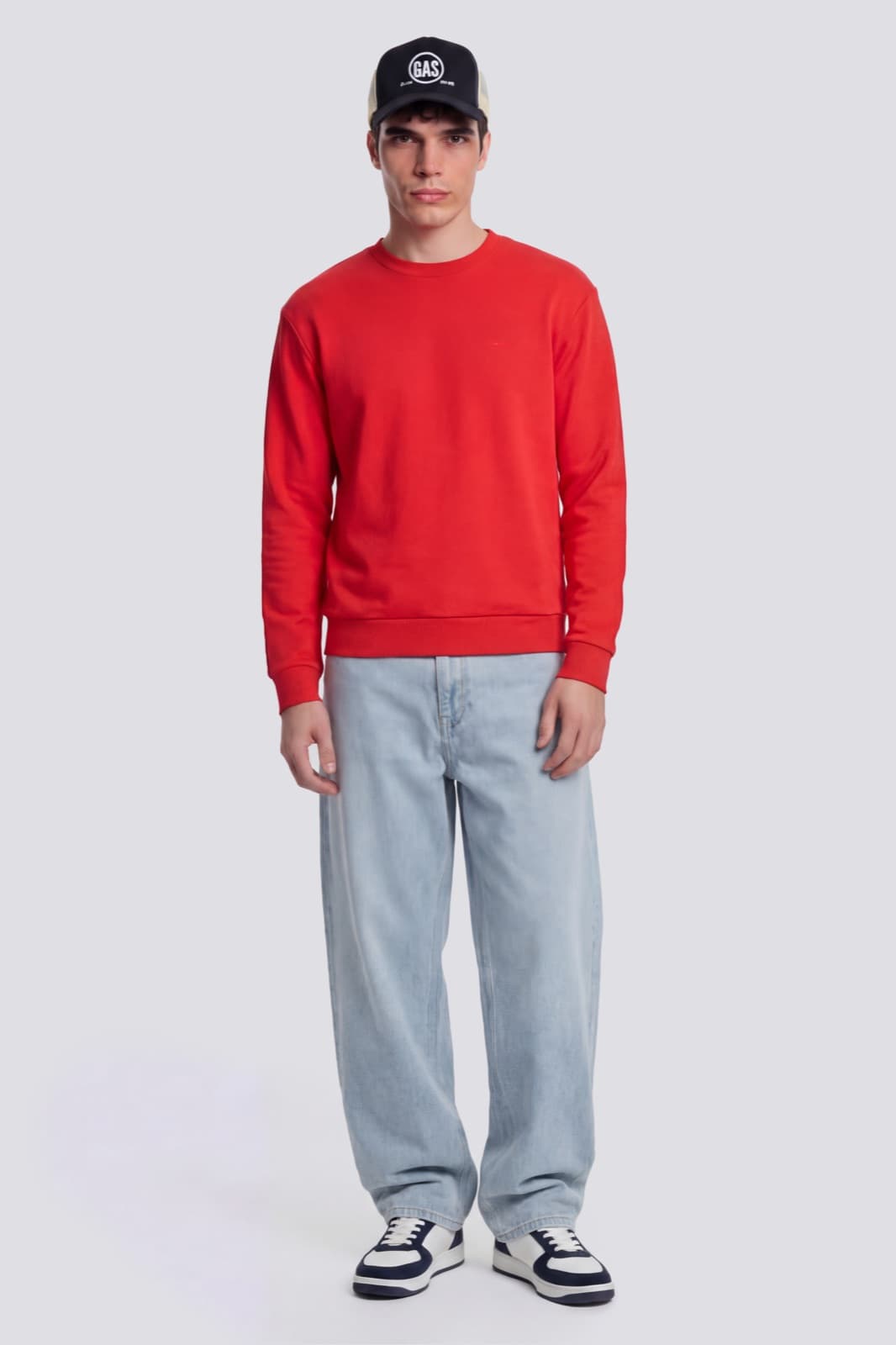
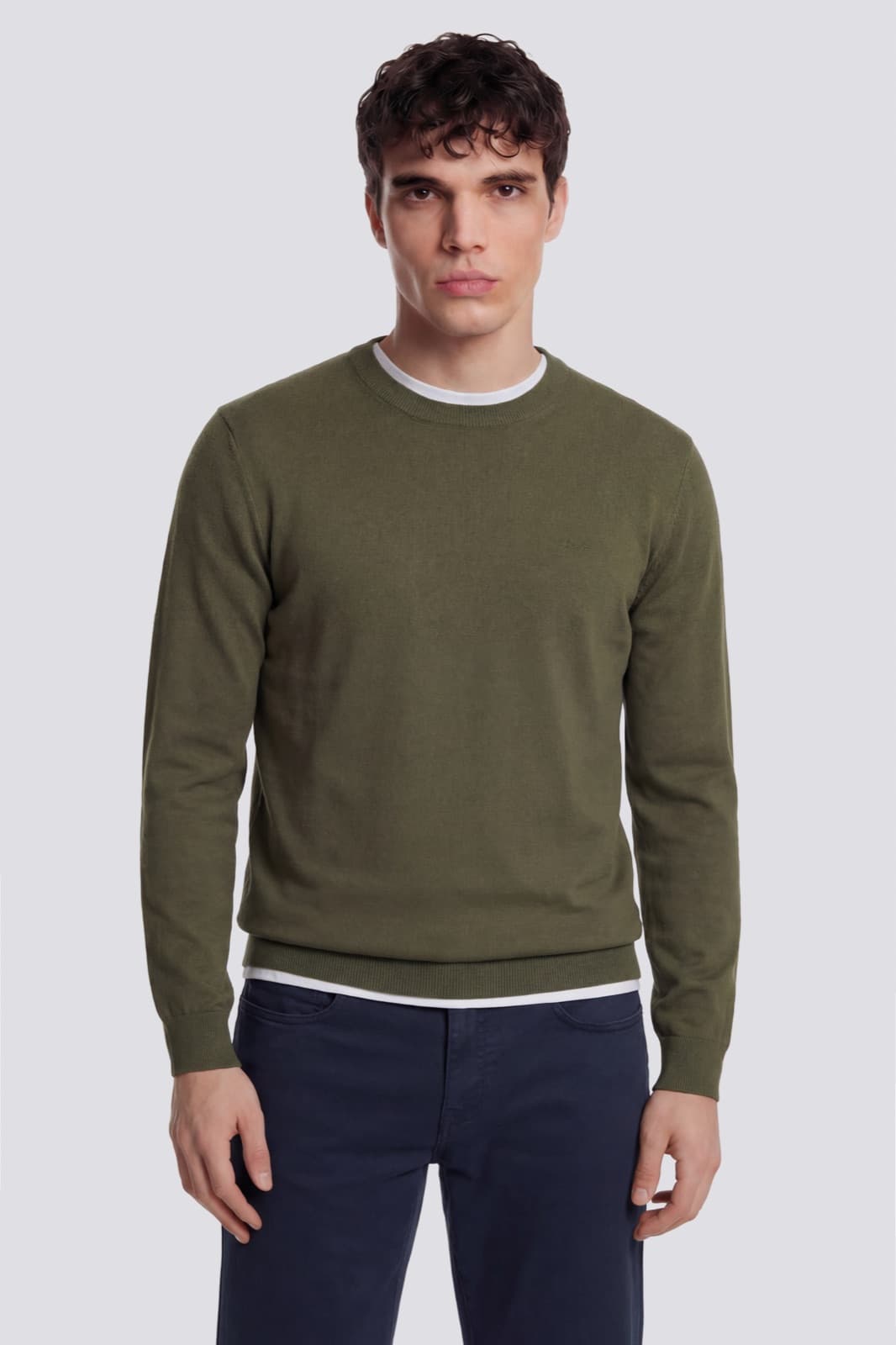
Gas Jeans added on model photography to product pages that had never had it, produced from the product images the brand already held. No garment was reshot. No sample moved. The output went onto live pages and the brand measured performance over the following thirty days.
Producing this way is only worth doing if the images hold together. A long tail shot inconsistently is worse than a long tail not shot at all, because the page now contradicts itself: two washes of the same cut, photographed as though they belonged to different brands. The whole exercise depends on consistency at scale, one identity across every wash, so a customer moving between colourways sees one brand rather than a series of unrelated experiments.
The result
Over thirty days, on the pages that received on model photography: 31% more sales and 17% more time spent on page.
The time on page figure is the one worth pausing on. It says the images did not simply sit there being present. Customers stayed and looked, which is the behaviour that precedes a sale rather than a restatement of it.
Why it matters
Most brands know their long tail underperforms and have accepted it as a structural cost of photography. This case says the cost was never structural. It was a consequence of production being bounded by studio days, and once that boundary is removed the long tail is the cheapest place in the catalogue to collect a measurable lift.
What we produced: On model ecommerce photography from existing product images, with post production by Sartiq throughout.