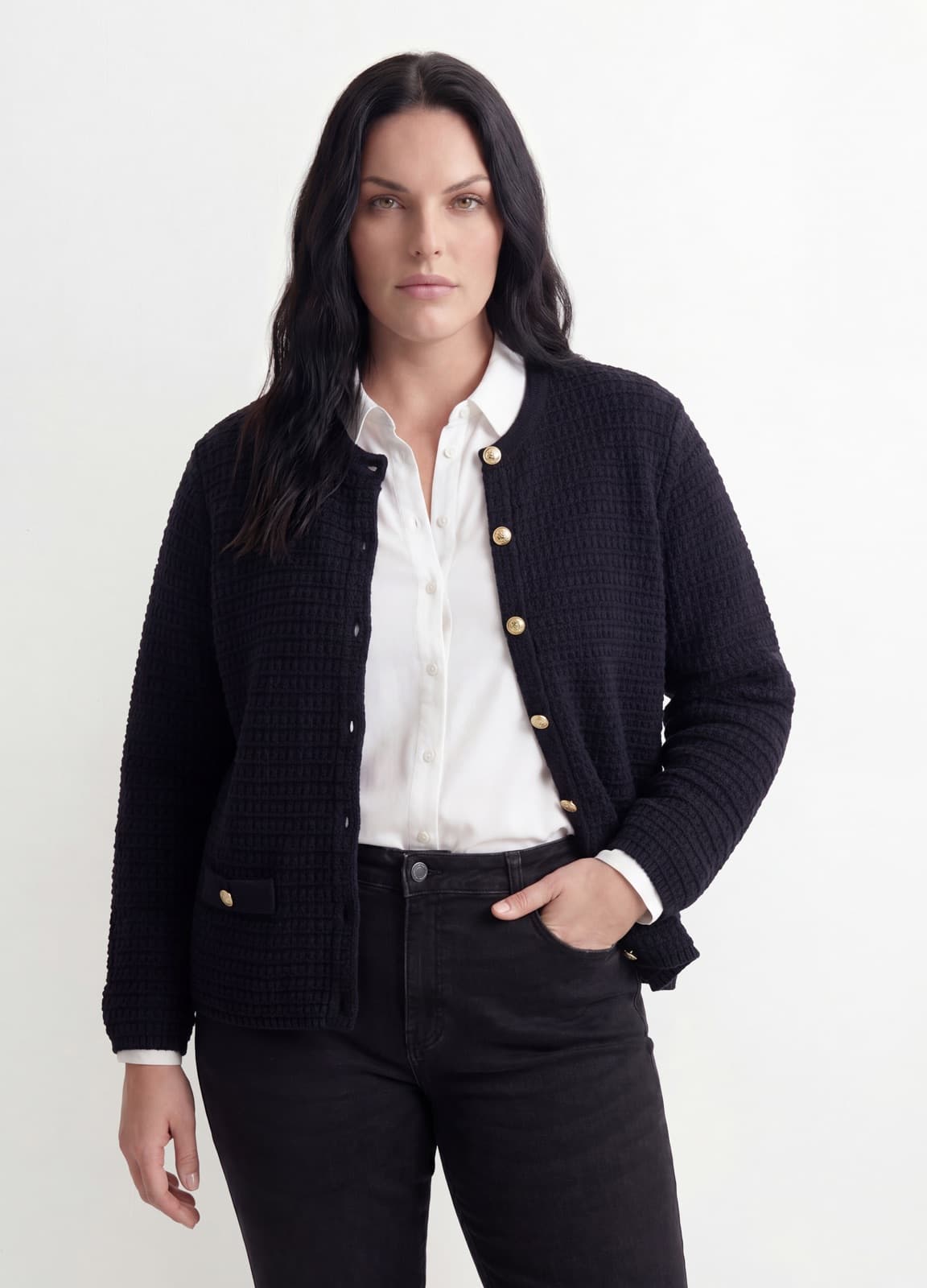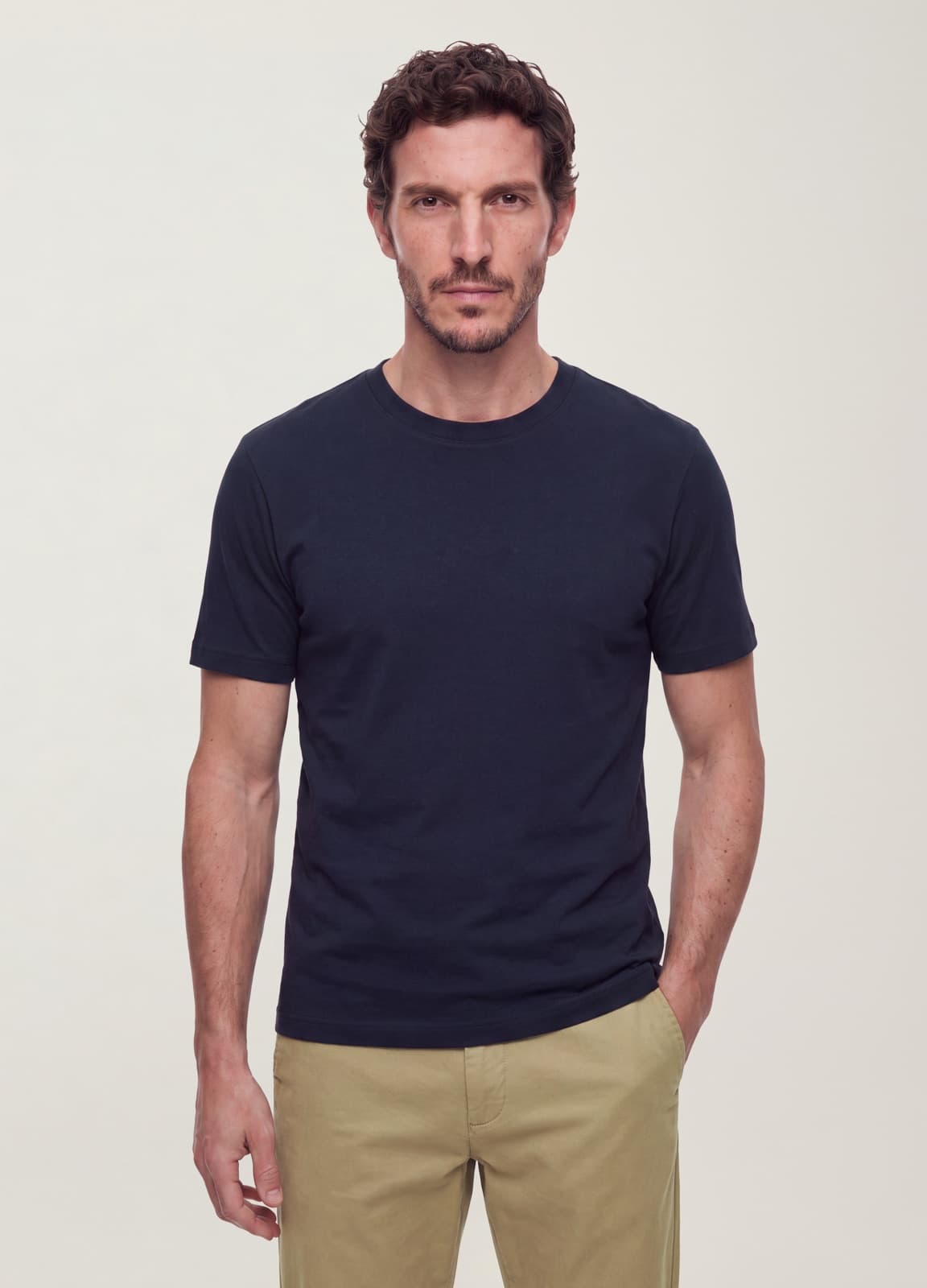
Stefanel
Stefanel stopped correcting the shots after the second lookbook, and now approves nineteen images out of twenty exactly as delivered
- Client
- Stefanel
- Services
- Lookbook production
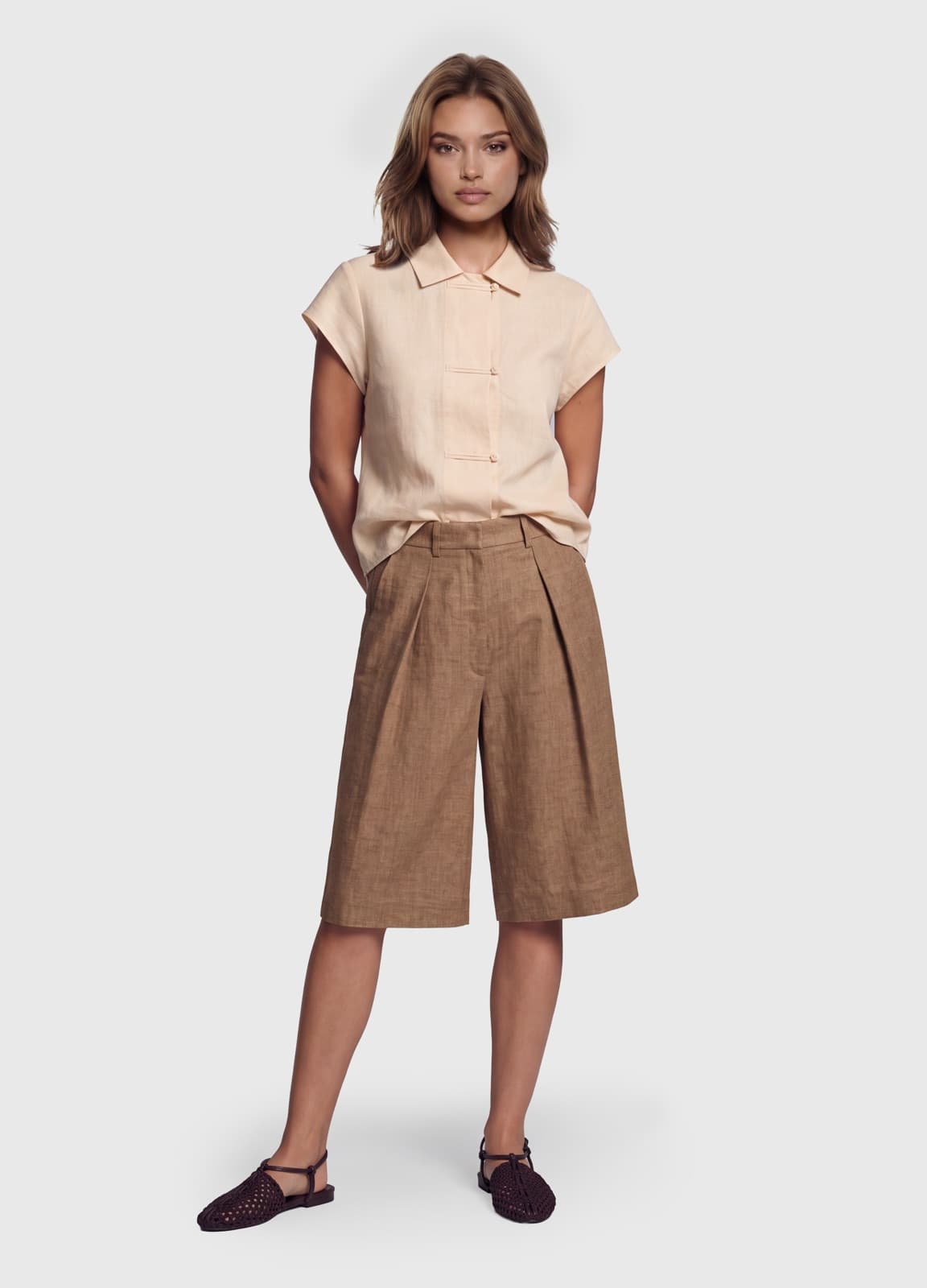
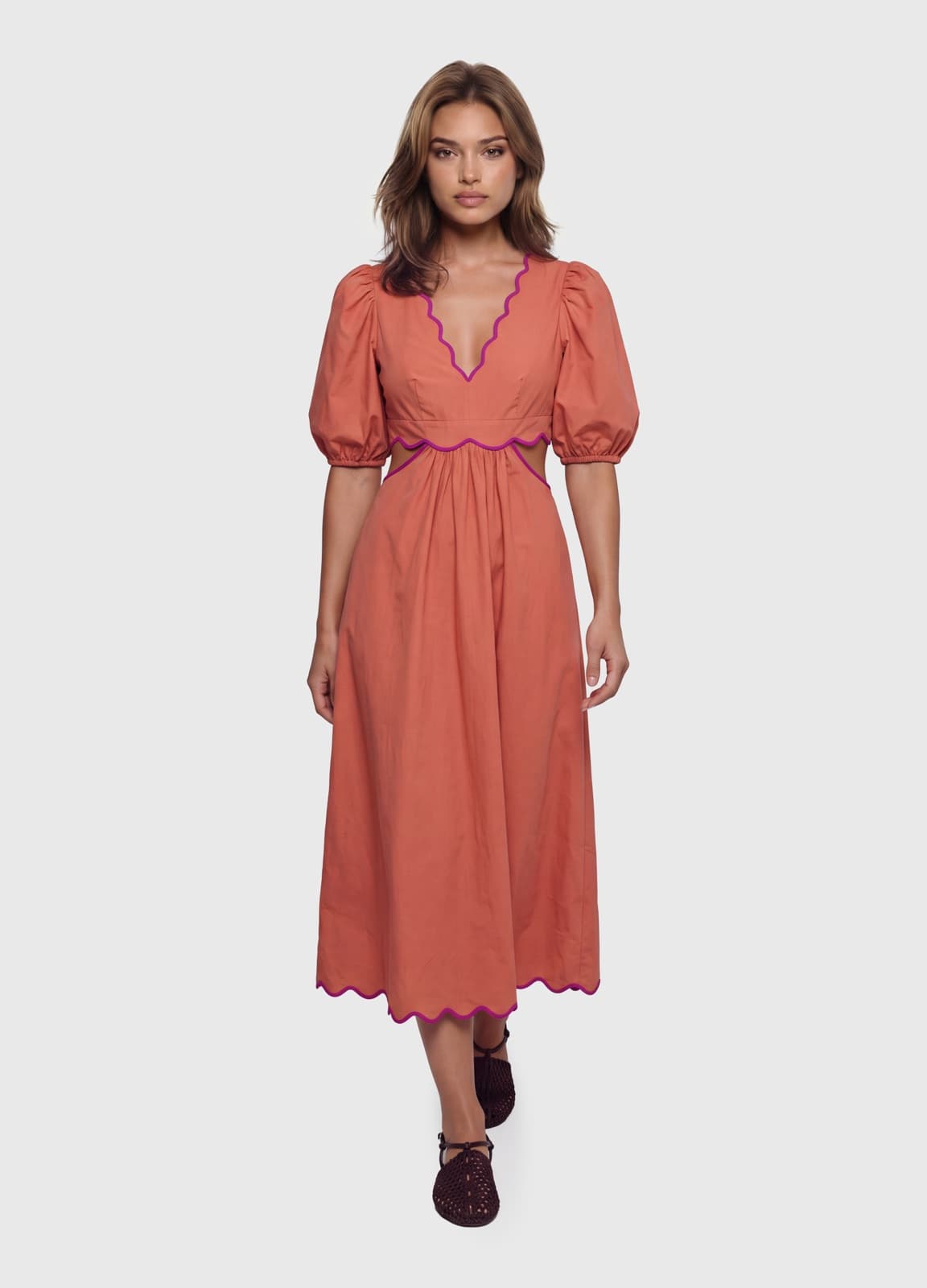
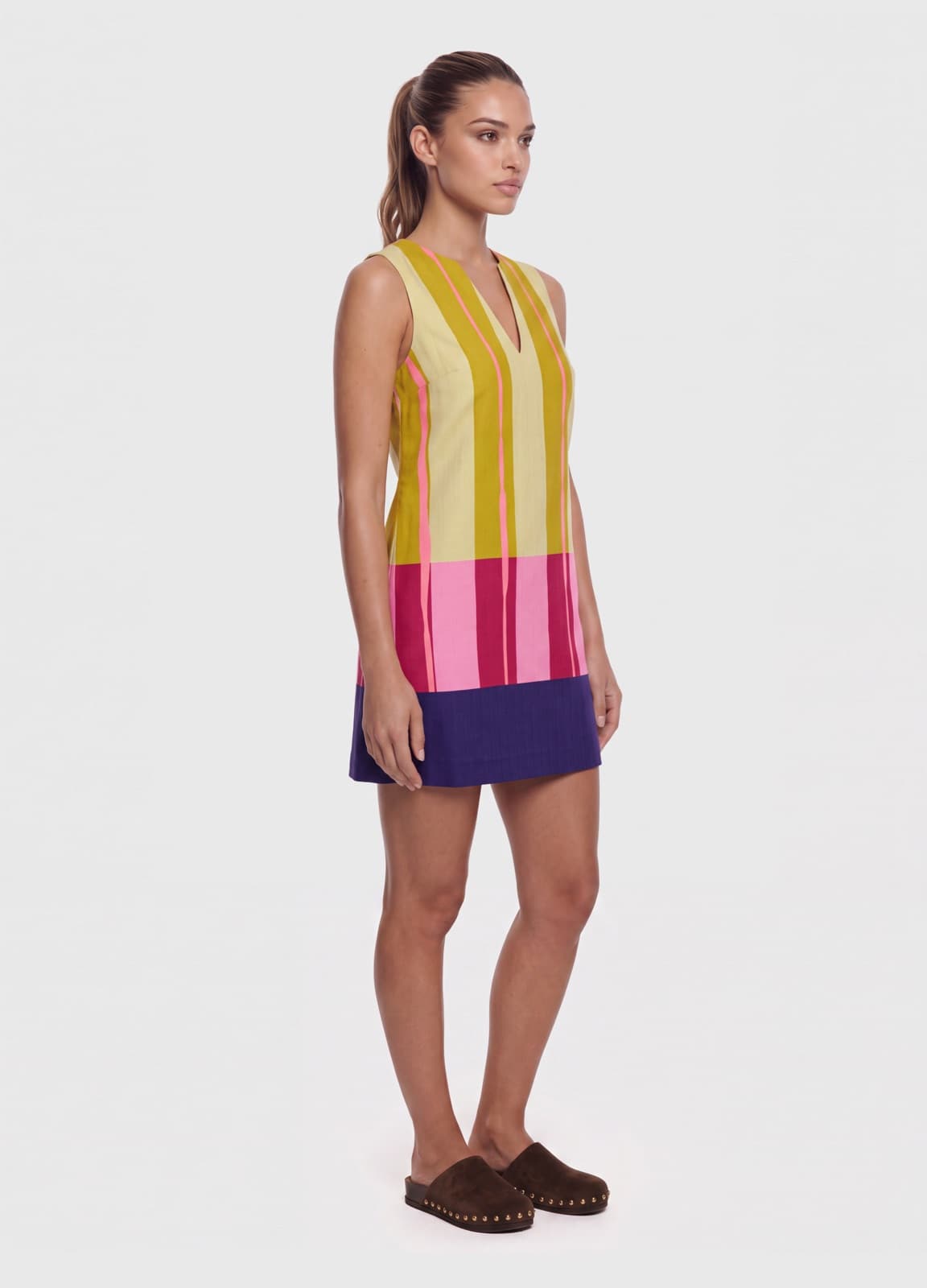
Client: Stefanel, Italian contemporary womenswear. Lookbook production.
- Lookbooks produced in sequence
- 5Lookbooks produced in sequence
- Autonomous acceptance rate from the second lookbook onward
- 95%Autonomous acceptance rate from the second lookbook onward
- Shots approved by the creative director without changes
- 19/20Shots approved by the creative director without changes
- Styling and pose selection handled by the production system by the fifth lookbook
- 100%Styling and pose selection handled by the production system by the fifth lookbook

The problem
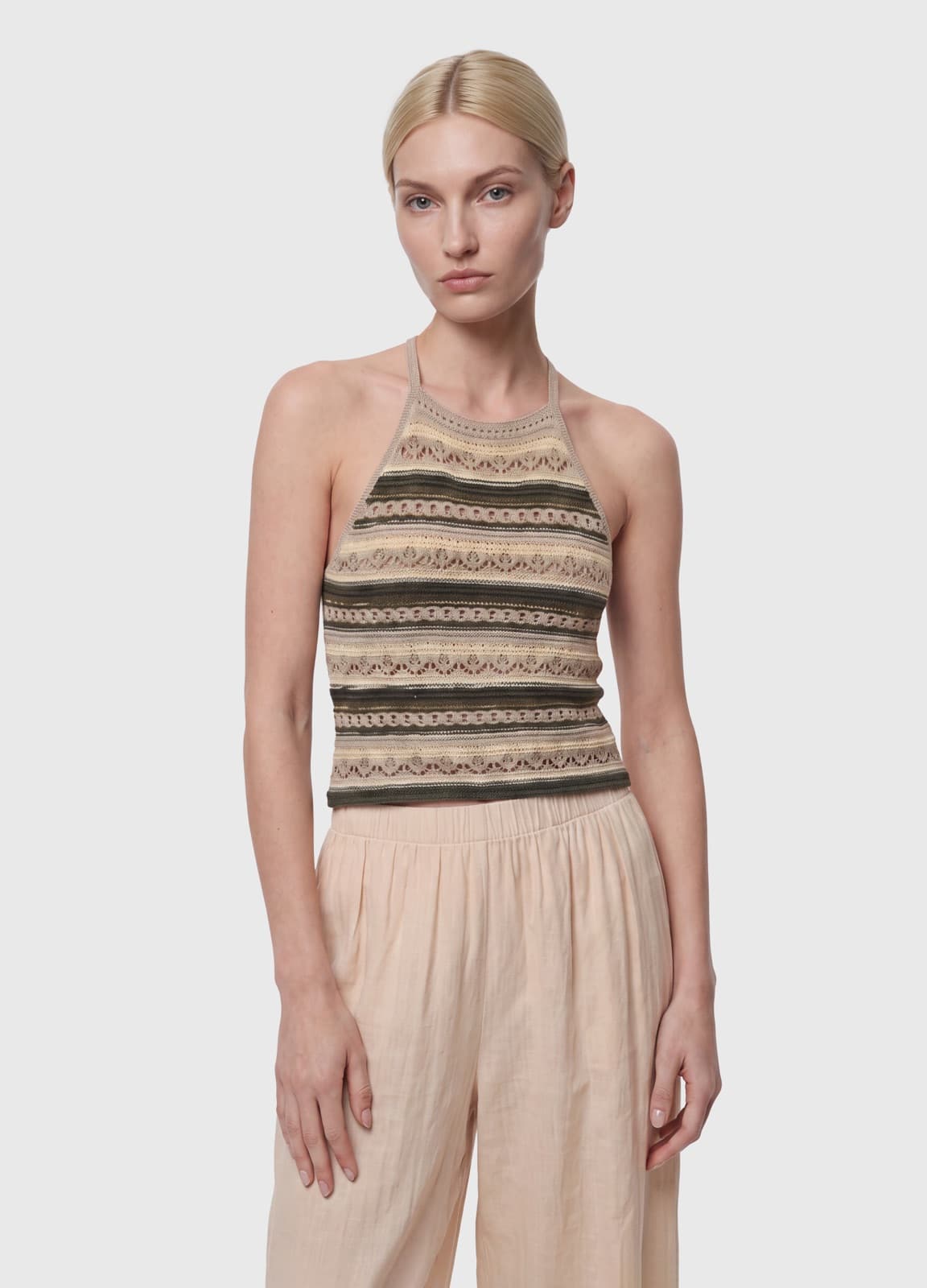
Stefanel is known for knitwear, and knitwear is unforgiving. Drape, weight, how a stitch catches light: these are the things a customer is buying, and they are the things that go wrong first when production is handed between people. Across a season of lookbooks shot by different crews on different days, the brand's own look drifts. Not dramatically, but enough that a creative director spends their time correcting instead of directing.
That is the real cost of catalogue production, and it is rarely on the invoice. It is the hours a senior creative spends pulling images back towards the brand.
What we did
The first lookbook worked like any onboarding. The team reviewed styling, corrected poses, adjusted framing, and in doing so taught the production system what Stefanel means: how a knit should sit, which pose language belongs to the brand, how much layering is right, what an acceptable crop looks like.
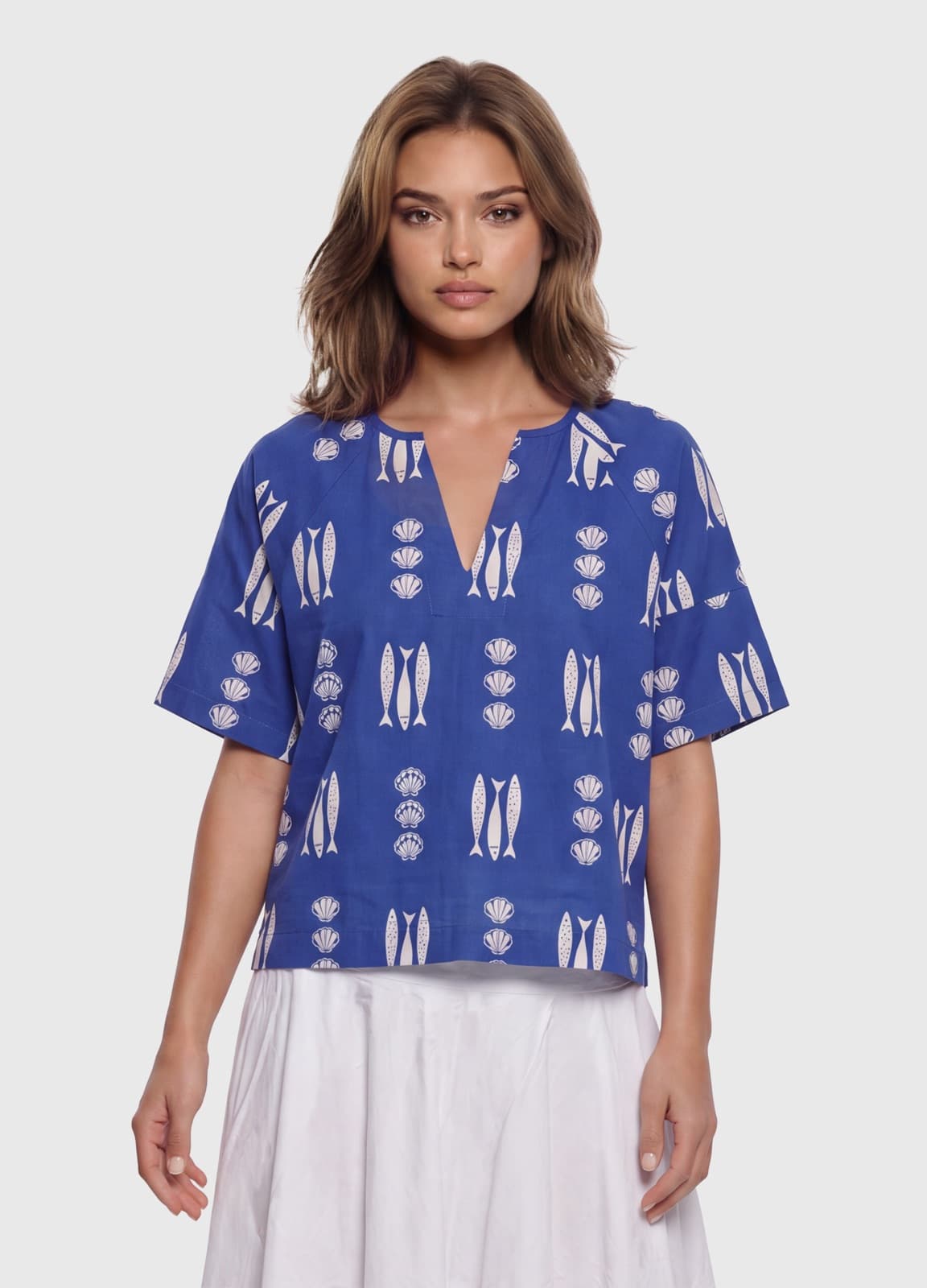
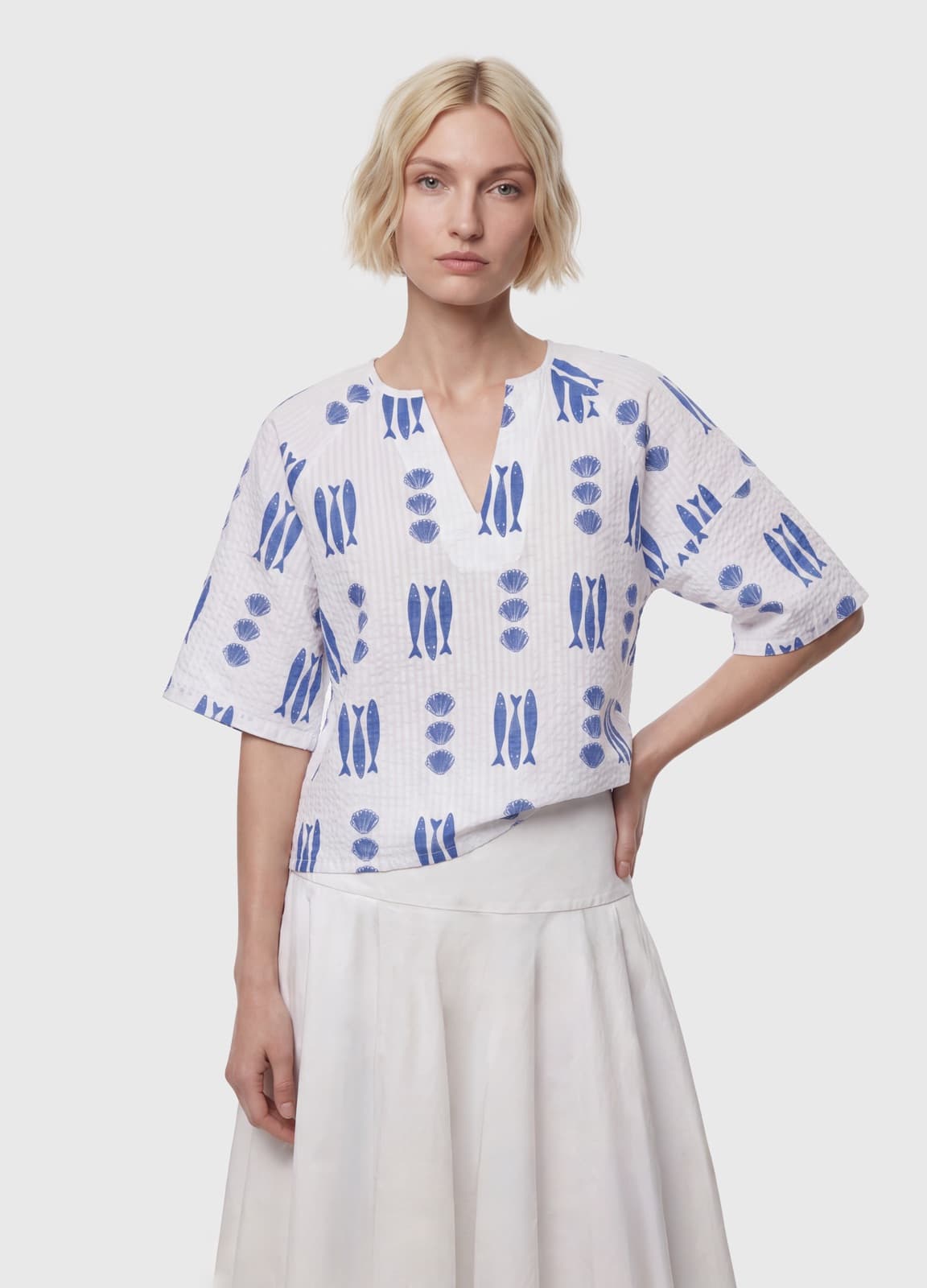
Every correction was learned. By the second lookbook, 95% of shots were accepted without intervention. By the fifth, styling and pose selection ran entirely on the learned brand book, with the creative director approving 19 of every 20 shots exactly as delivered.

Why it matters
This is the part traditional production cannot replicate. An agency that shoots five lookbooks for the same brand does not get better at that brand in any structural way. Their team's understanding lives in the heads of whoever happened to work on it, and it leaves when they do. The brand book stays a document, reinterpreted every time.
Here, the brand book became the production system. Every correction made it more precise, and precision compounds. The fifth production was more Stefanel than the first, without anyone doing more work.
What the team kept
Not less control. Less production work. The creative director still decides what the brand looks like and still signs off every image. What disappeared was the middle: the correcting, the rebriefing, the pulling of shots back towards the brand. Approval remained; production management did not.
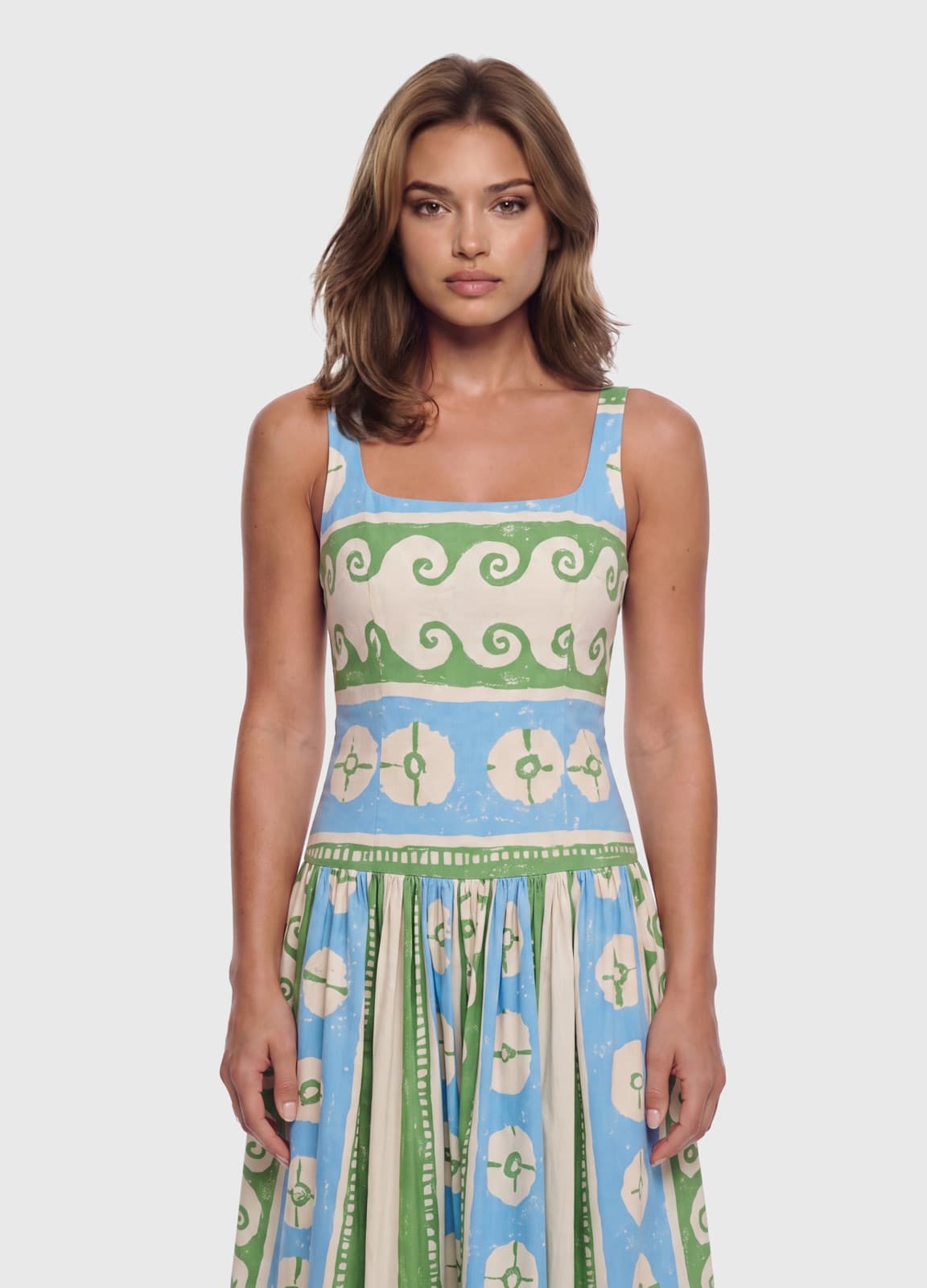
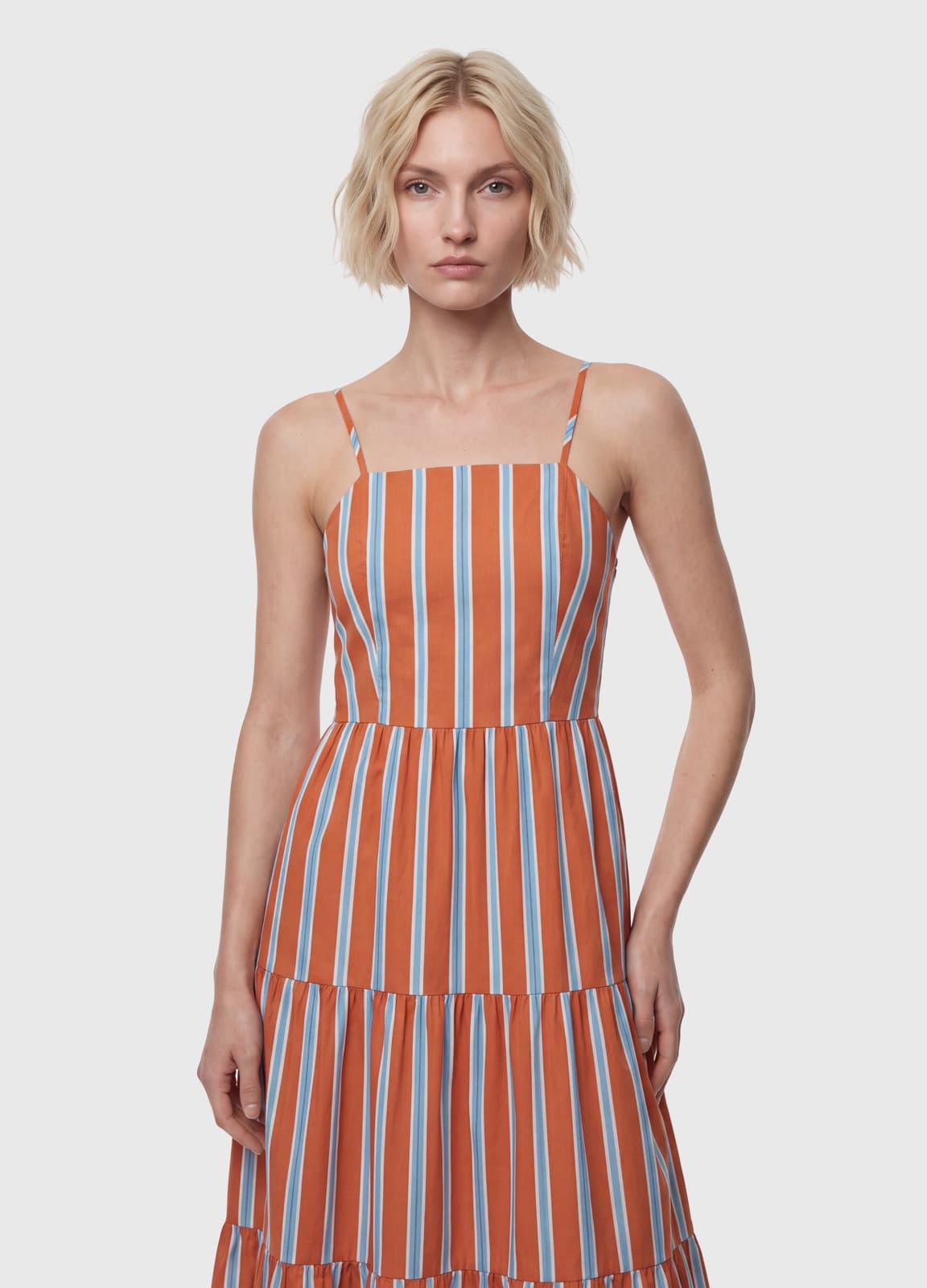
What we produced: Full lookbooks from basic technical product photos. Styling learned from the brand's own boards, poses learned from past shootings. Post production by Sartiq: every image delivered publish ready.