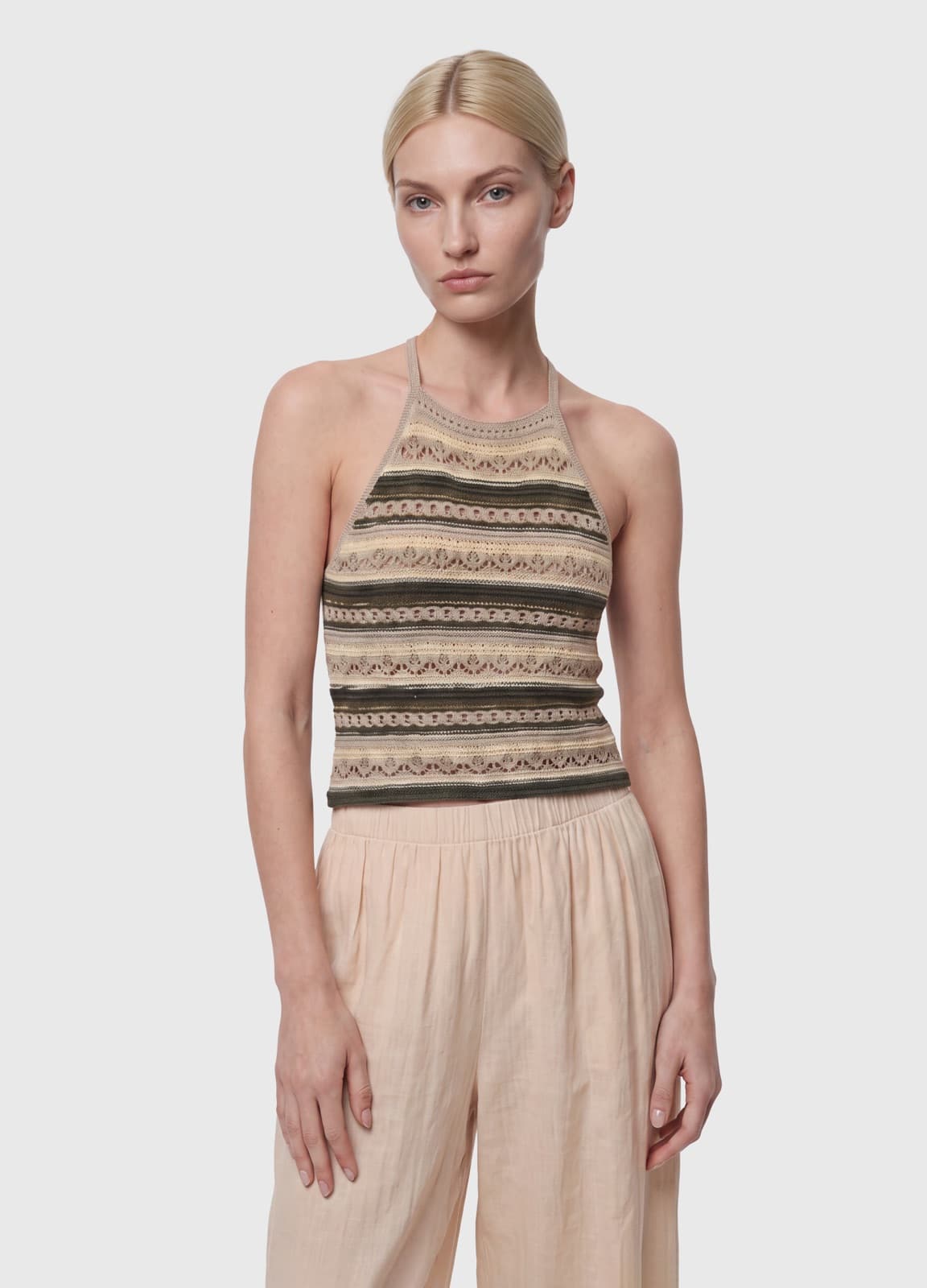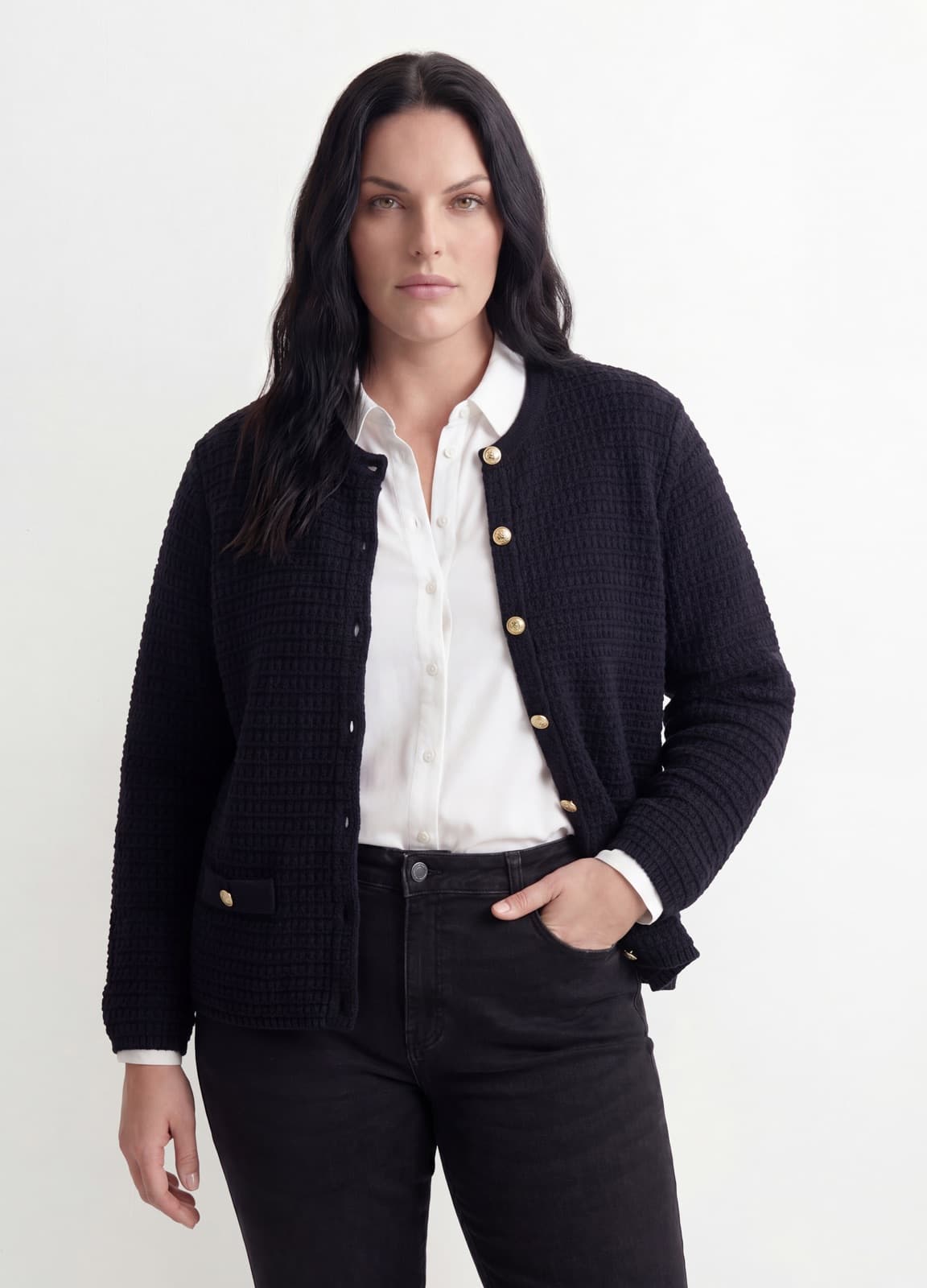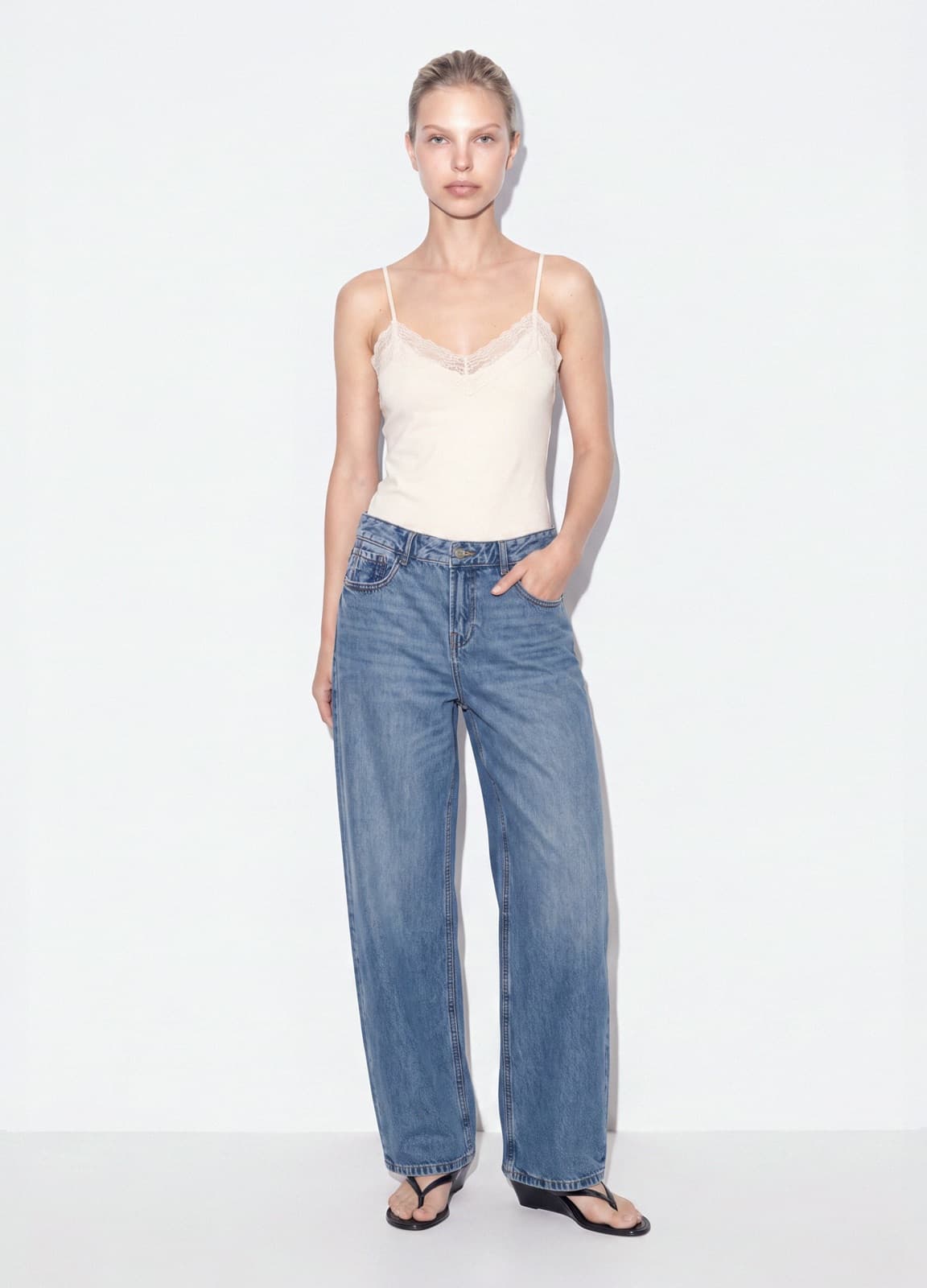
Guess
Guess sends 30,000 images a year to its own site and to Amazon and Otto, and the brand still looks like Guess on every one of them
- Client
- Guess
- Services
- Marketplace & ecommerce
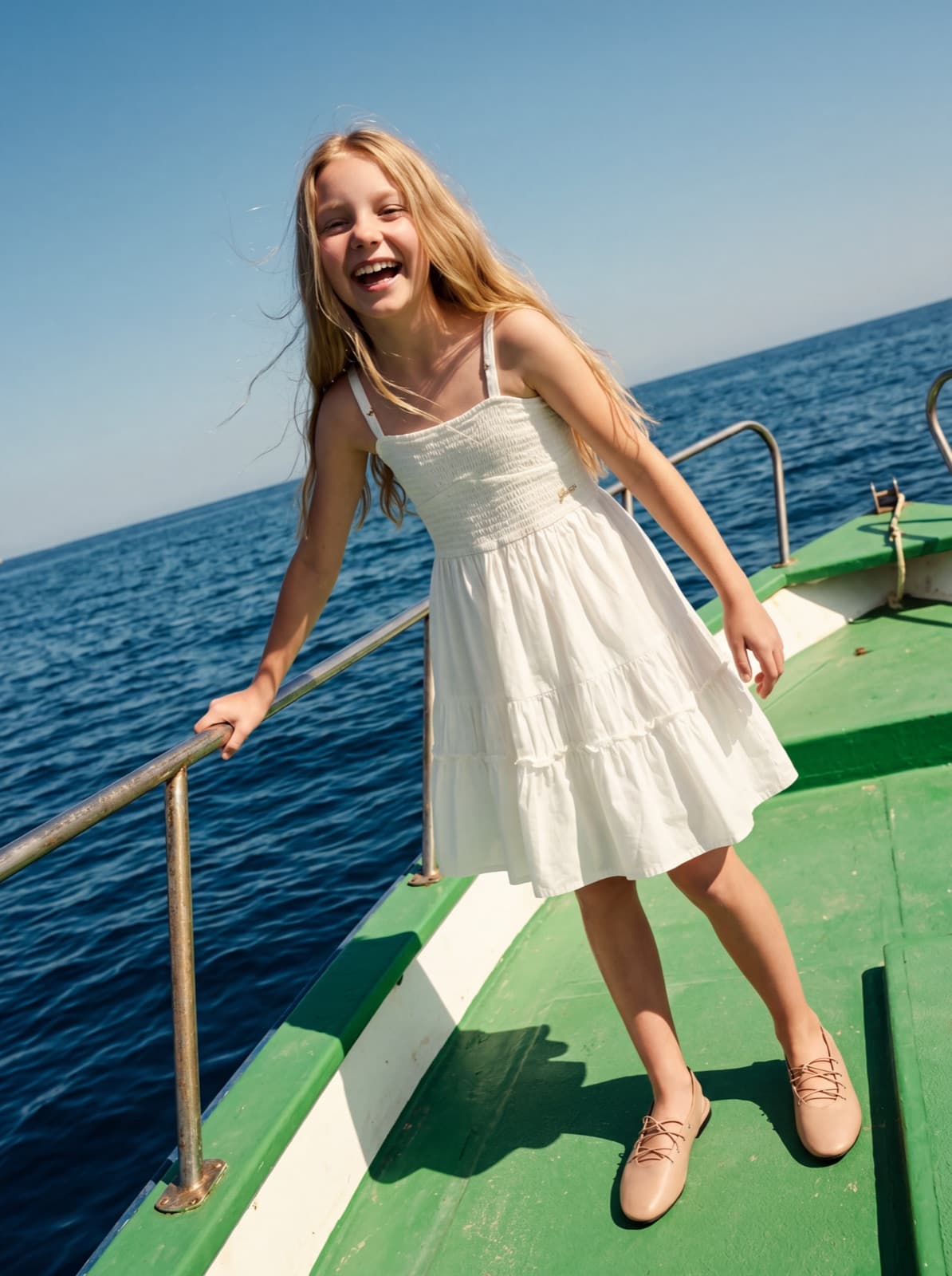
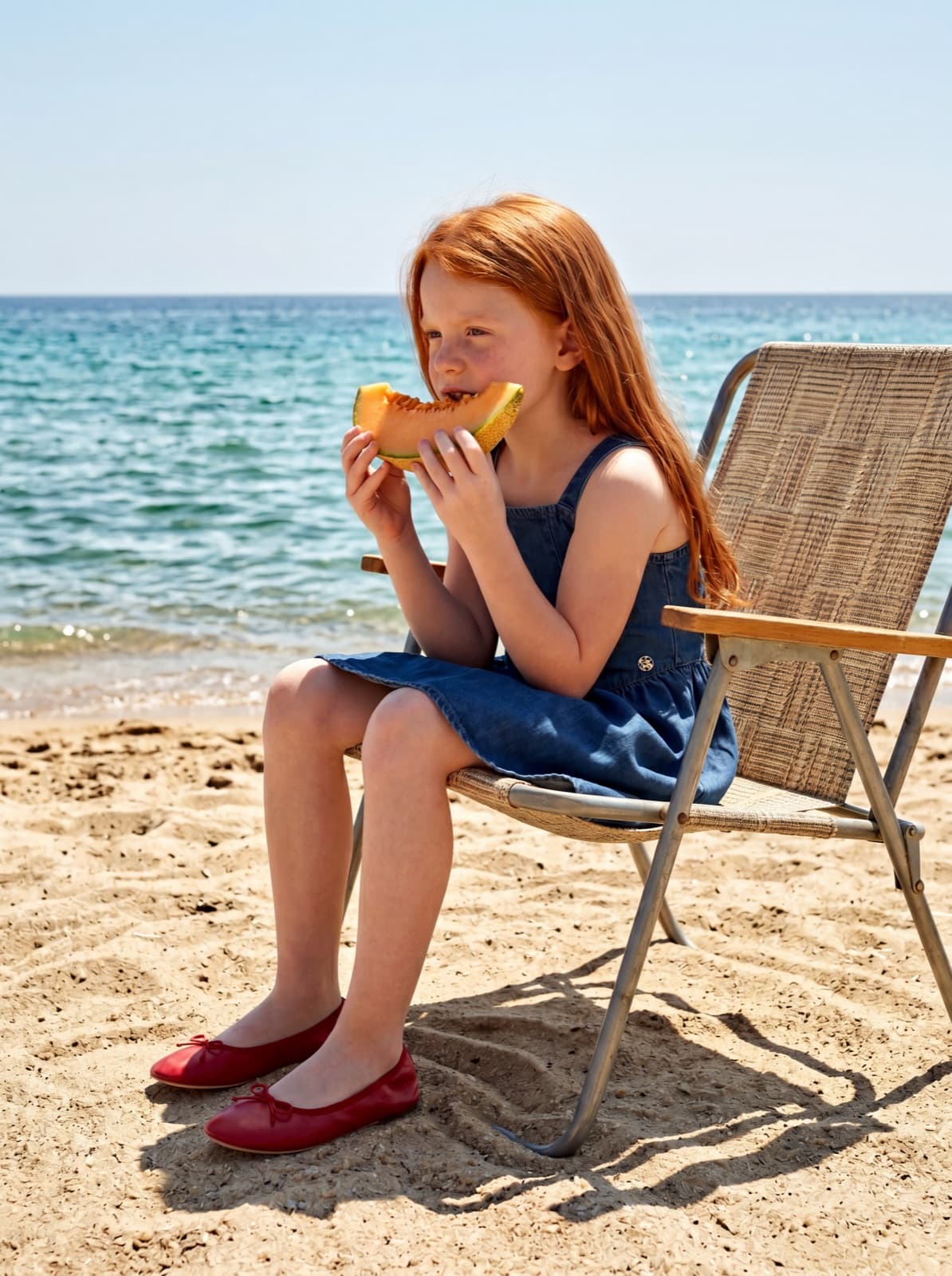
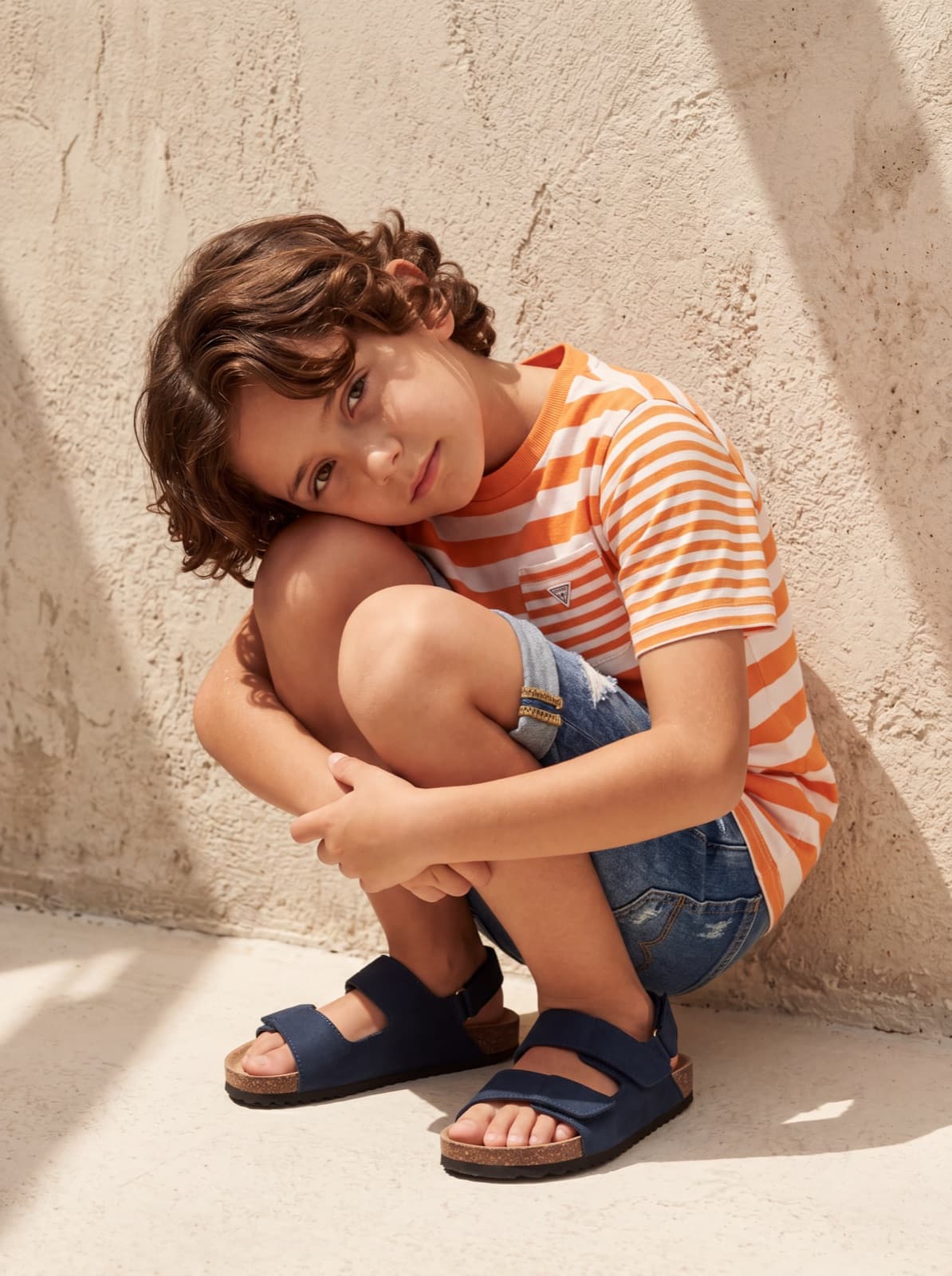
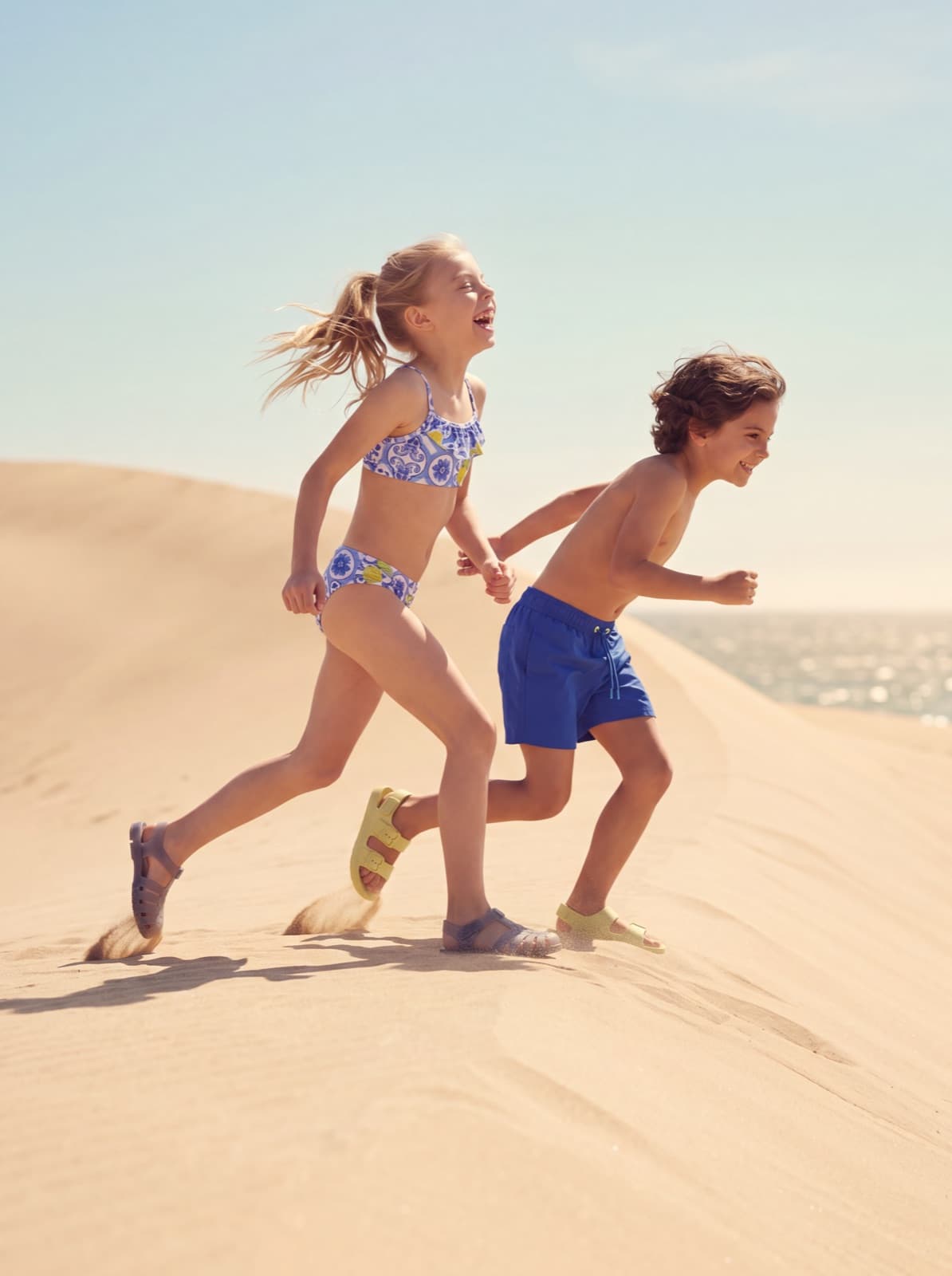
Client: Guess. B2B, ecommerce, Amazon and Otto marketplace content.
- Images per year at full production scale
- 30,000Images per year at full production scale
- Channels served from one production
- 4Channels served from one production
- Photos receiving human retouch, concentrated almost entirely on denim logo detail
- 1 in 4Photos receiving human retouch, concentrated almost entirely on denim logo detail
- Approved photos deploy into Guess systems directly, no download step
- AutoApproved photos deploy into Guess systems directly, no download step
The problem
Marketplaces impose their own rules, and the rules conflict. One wants the head cropped, another wants specific centring, a third wants different margins and metadata. Brands typically solve this by producing separately per channel, which multiplies cost and guarantees the thing nobody wants: a brand that looks slightly different depending on where a customer meets it.
The alternative, adapting one shoot manually for each destination, moves the problem into a team's week and introduces the errors that come with repetitive manual work.
And the stakes are not evenly distributed. On its own site a brand controls the page, the layout and the context. On a marketplace it controls almost nothing except the image itself. The image is the entire brand presence, sitting in a grid next to competitors, under someone else's typography. If the identity is going to hold anywhere, it has to hold there.
What we did
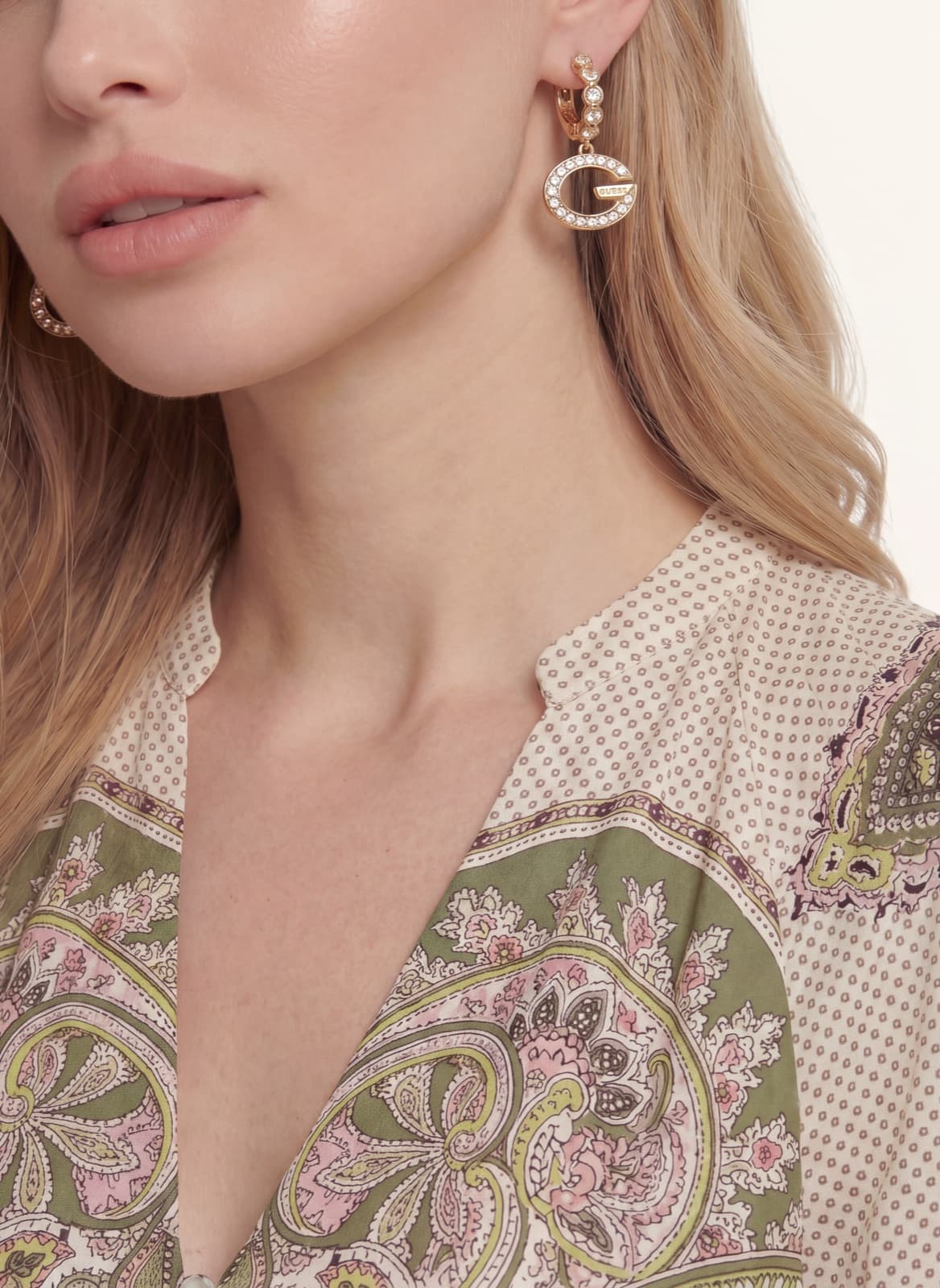
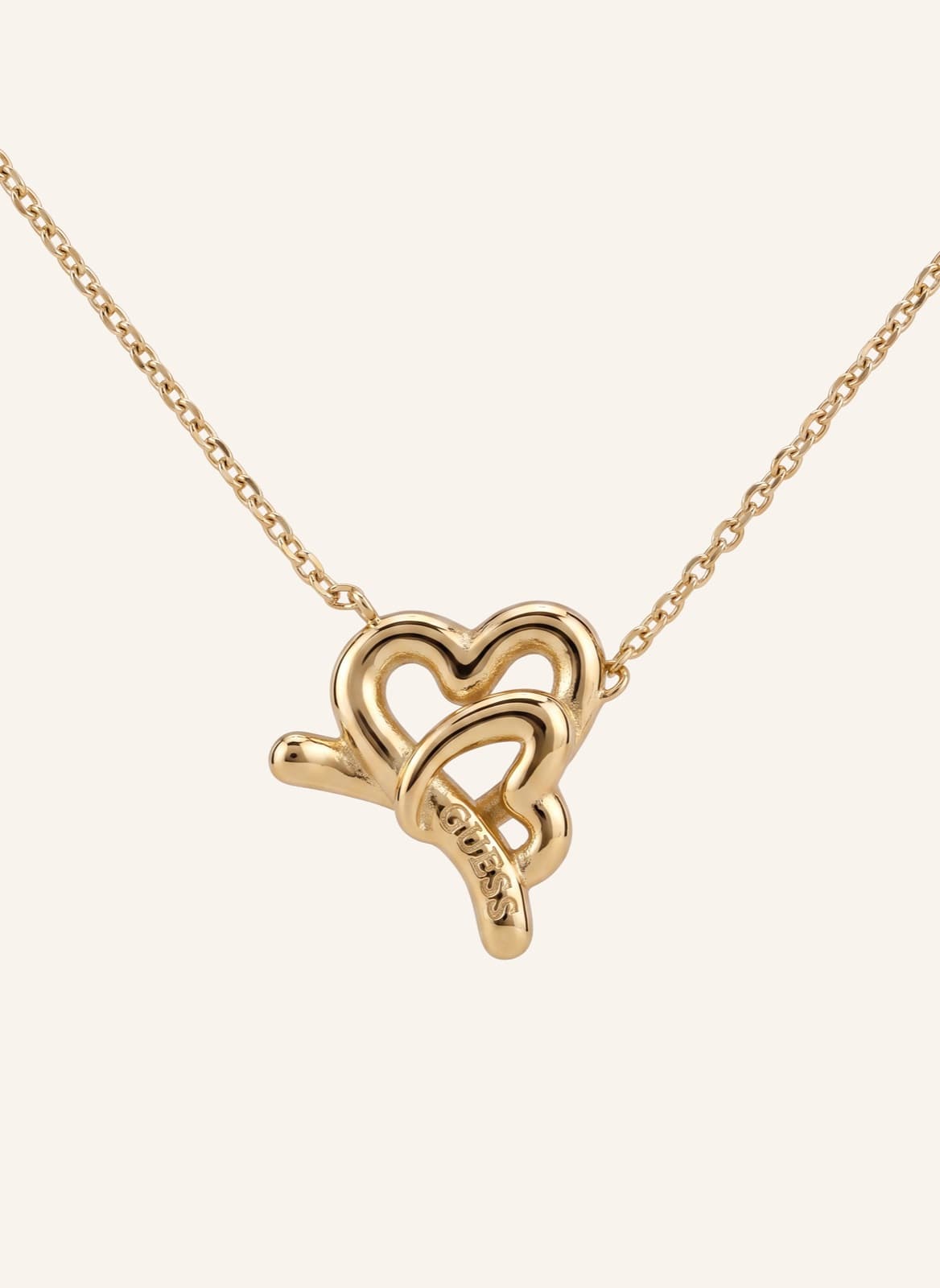
Channel guidelines are configured once per destination. The same approved shot exports with each channel's margins, resolution, naming convention and metadata, without rework and without a second production. The brand identity is decided once, and the technical requirements are applied afterwards as a transformation rather than as a fresh interpretation.
Where humans still work
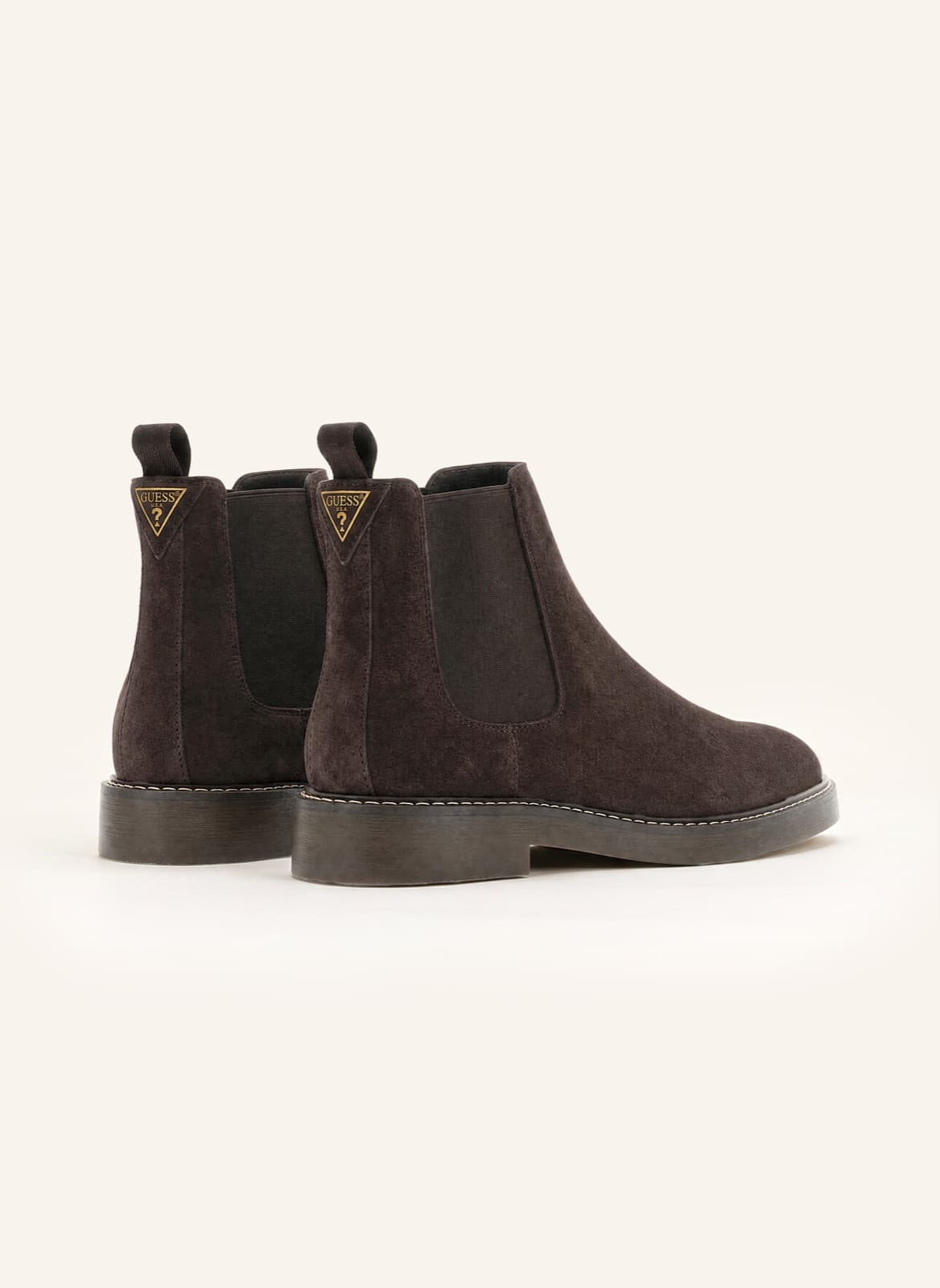
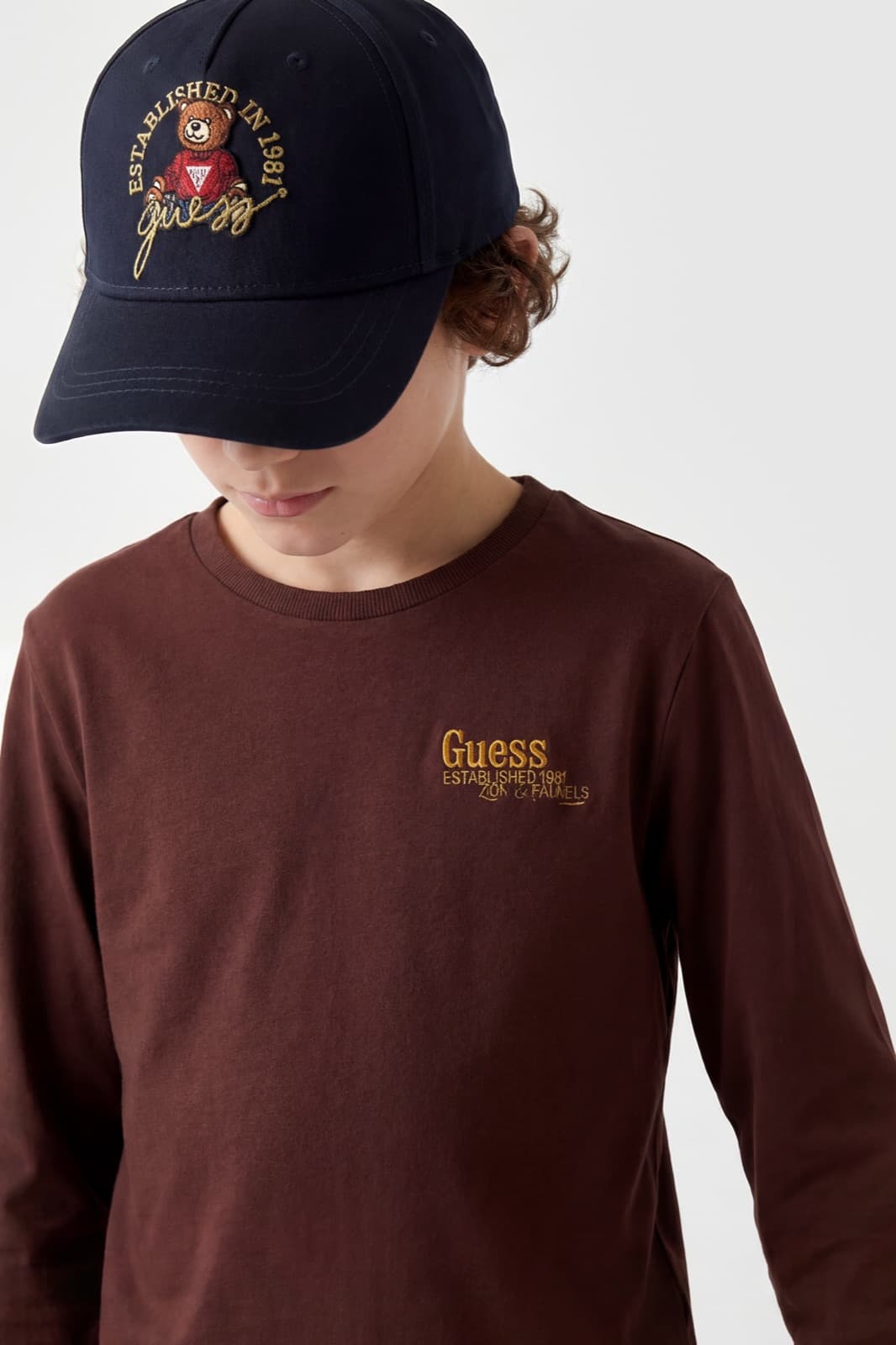
Roughly one photo in four receives human retouch, and almost all of them are denim. The woven Guess logo carries the date the brand was founded in very small stitching, and small stitched detail is exactly where automated production is weakest. Those images go to a retoucher.
We publish that number deliberately. A production partner claiming zero human involvement at this scale is either not looking closely or not telling the truth, and enterprise buyers know it. Post production by Sartiq means every image arrives publish ready, including the ones that needed a specialist.
Why it matters
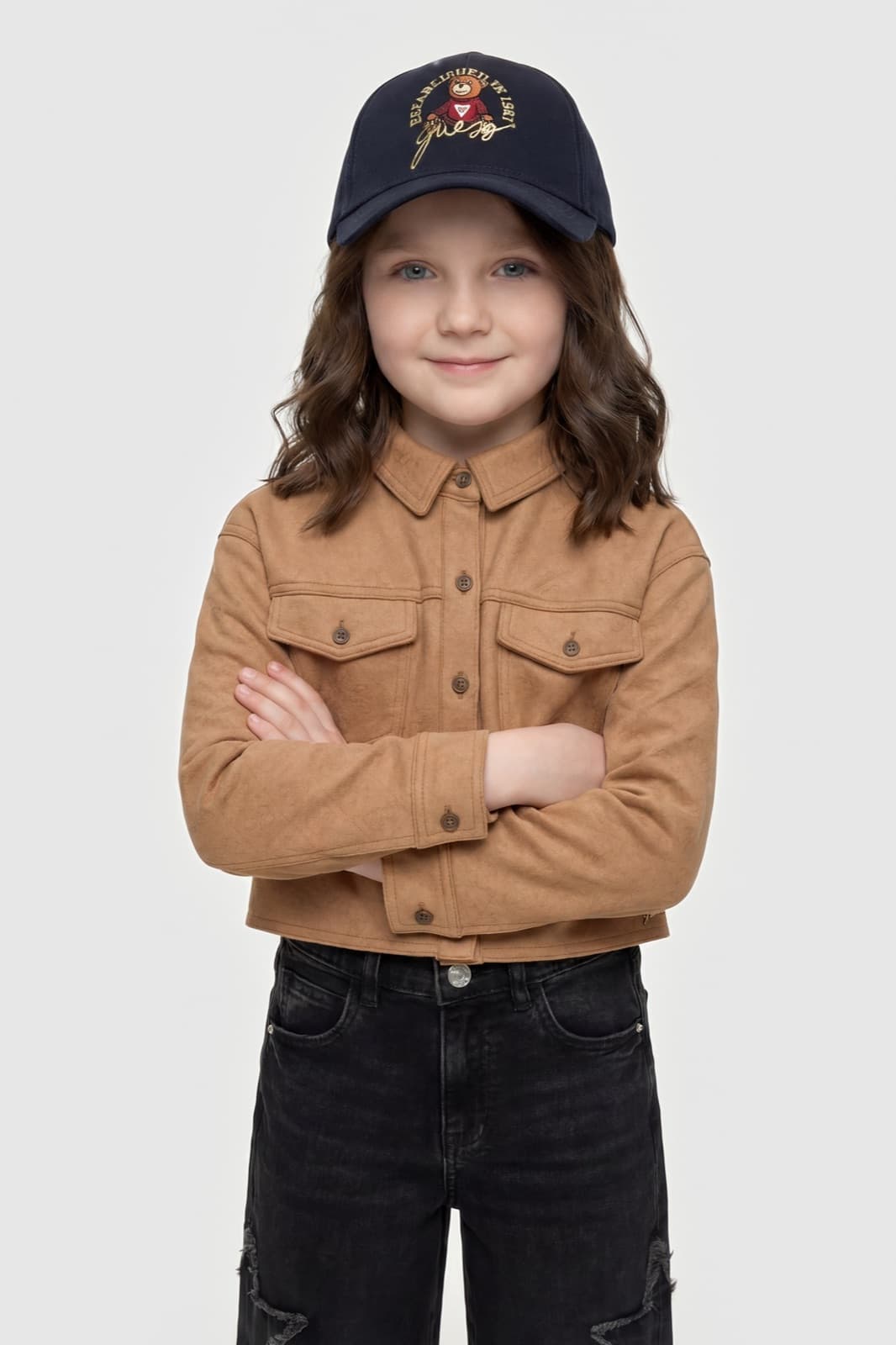
Thirty thousand images a year is the scale at which consistency stops being a preference and becomes an operational requirement. No one reviews 30,000 images for brand fidelity by hand. Either the system holds the identity or the identity is gone. Across four channels and a full year, including the channels the brand does not own, it holds.
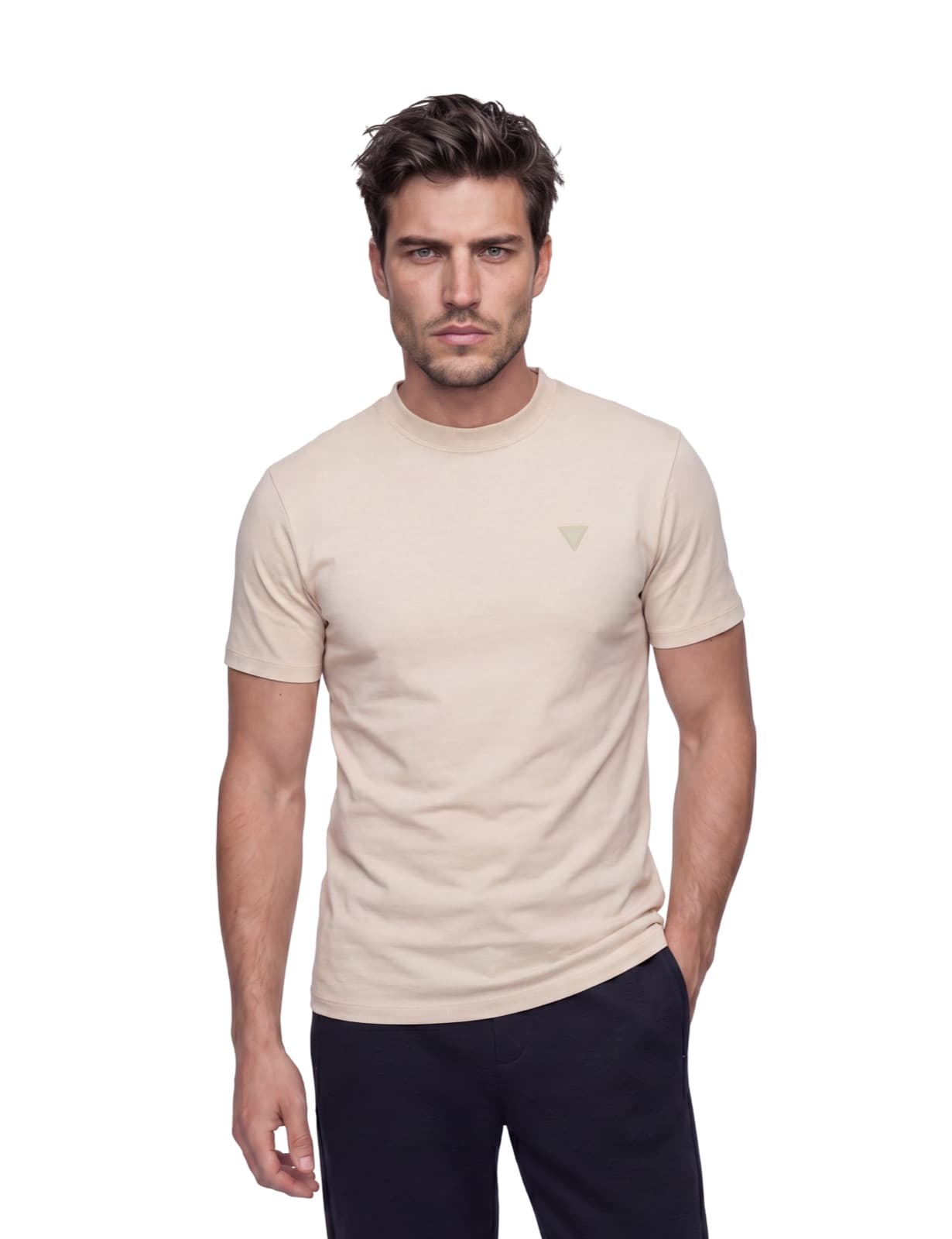
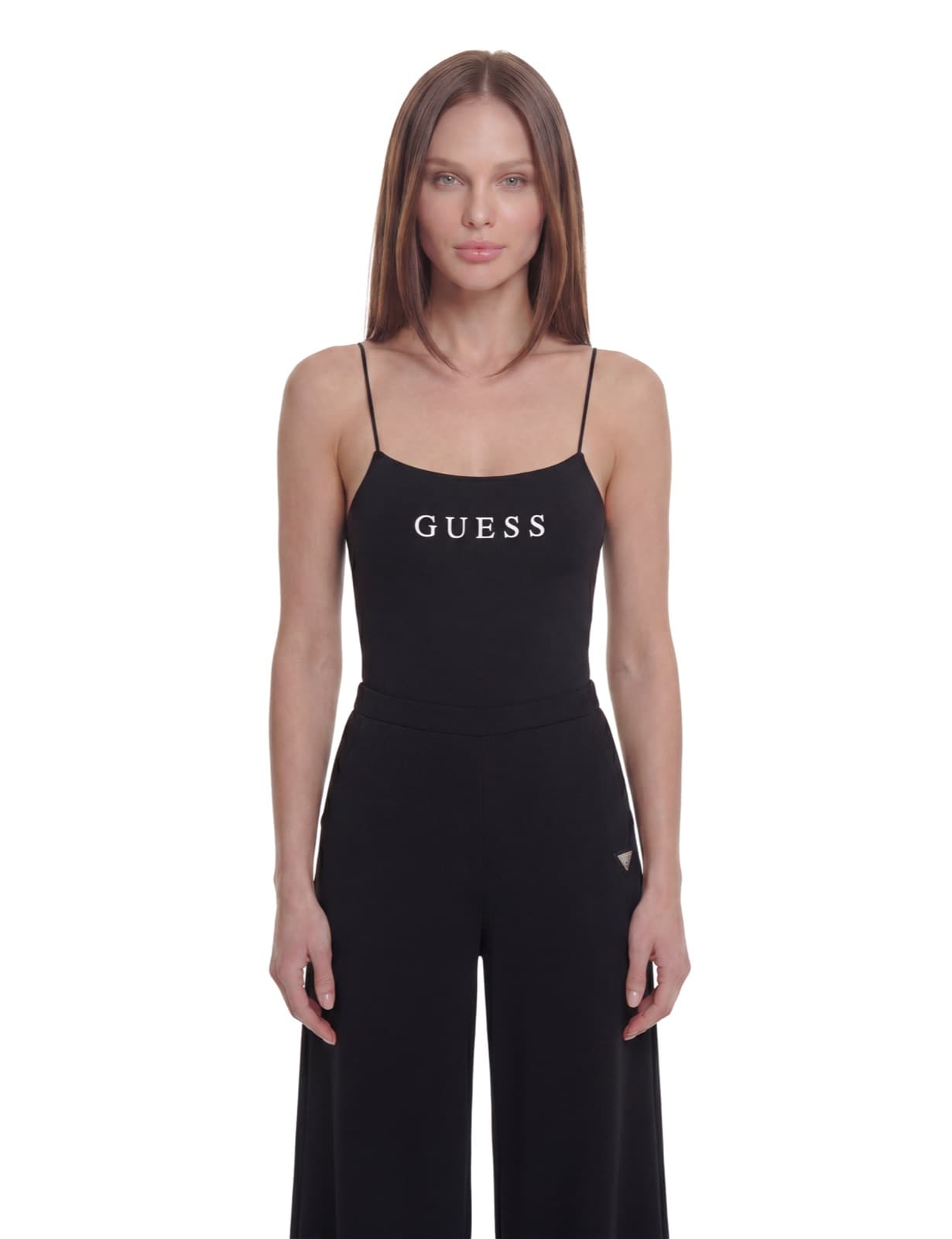
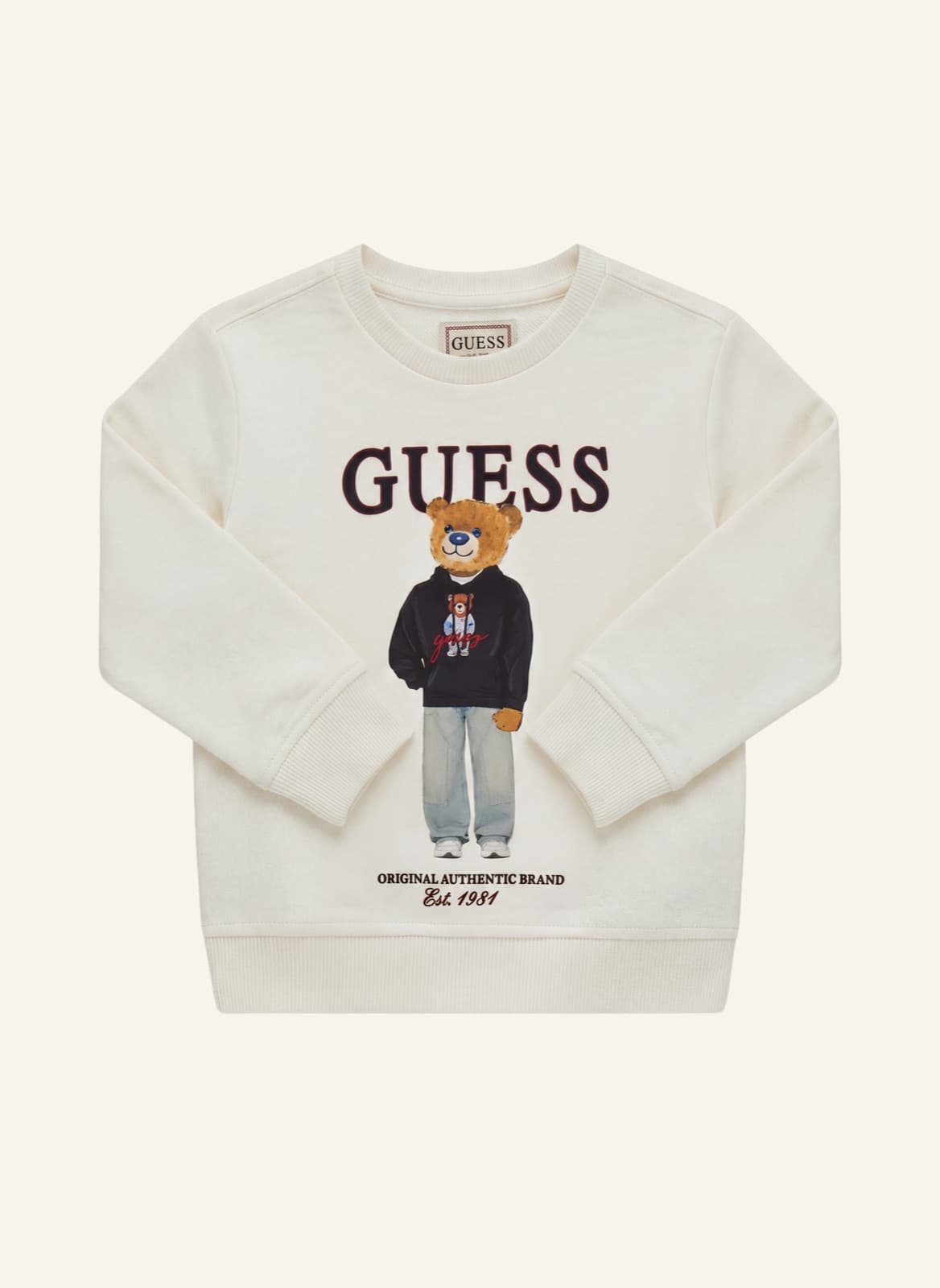
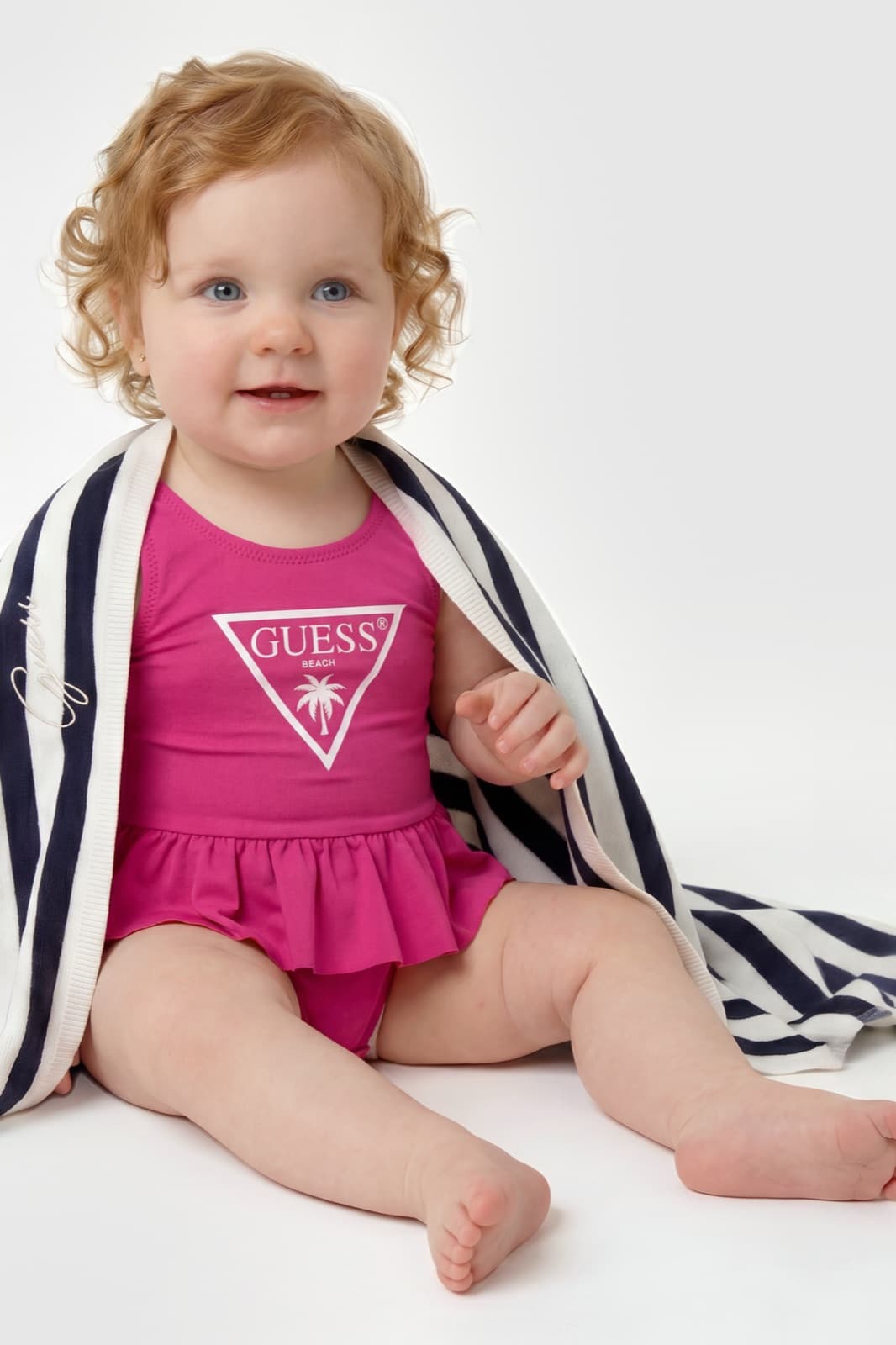
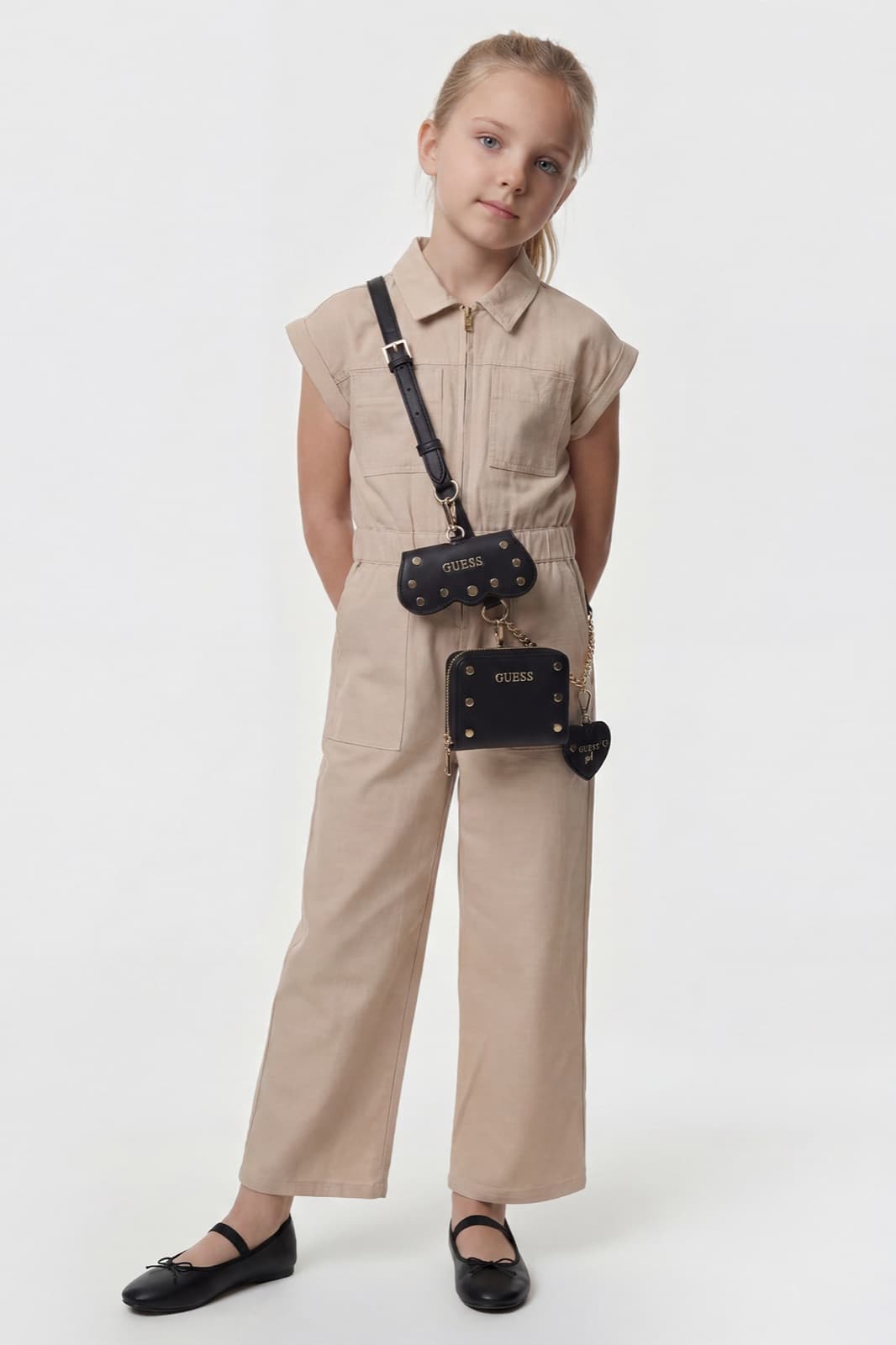
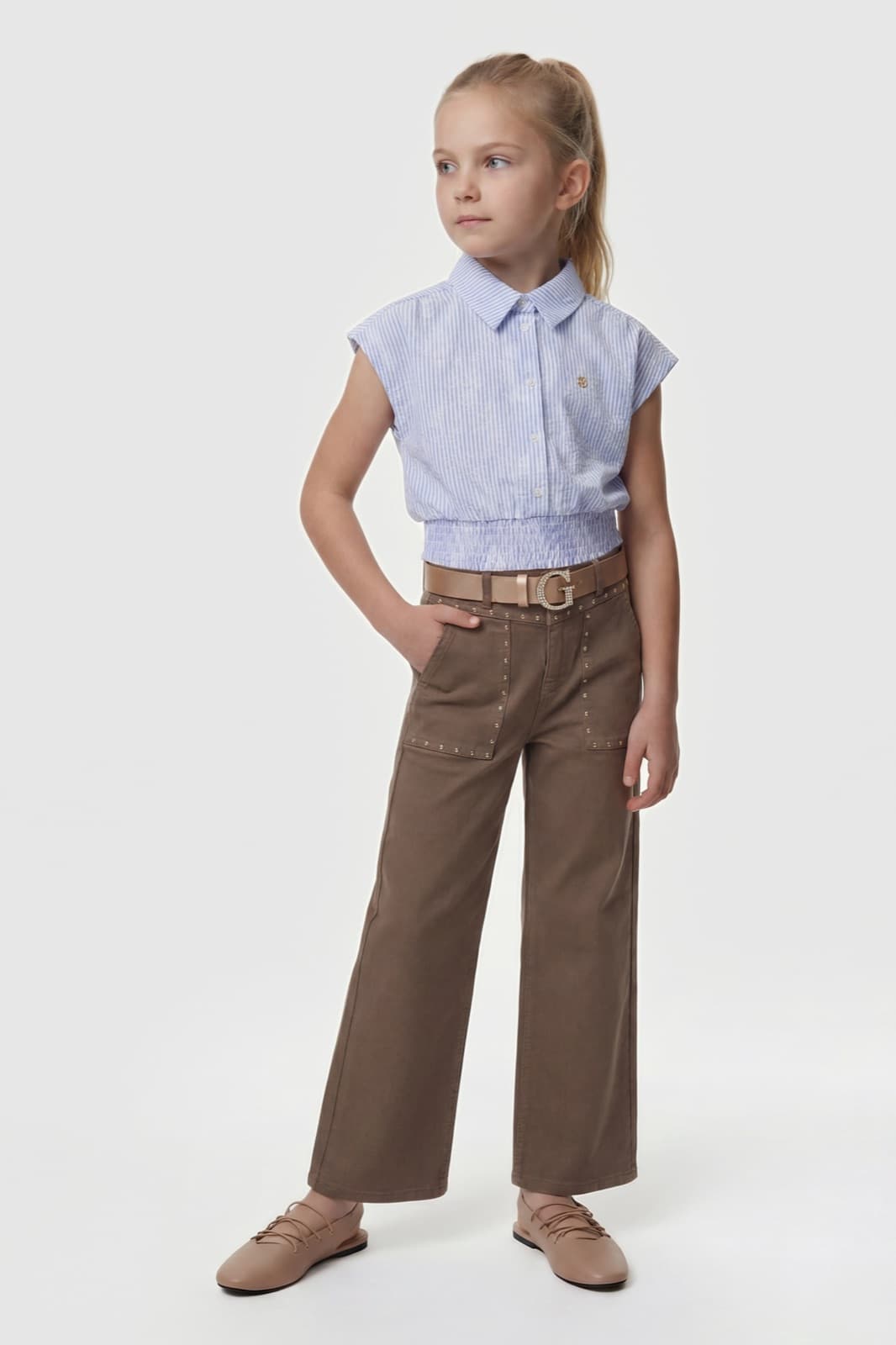
What we produced: B2B catalogue, ecommerce PDP sets, Amazon and Otto marketplace content, lookbooks.